150x150.png)
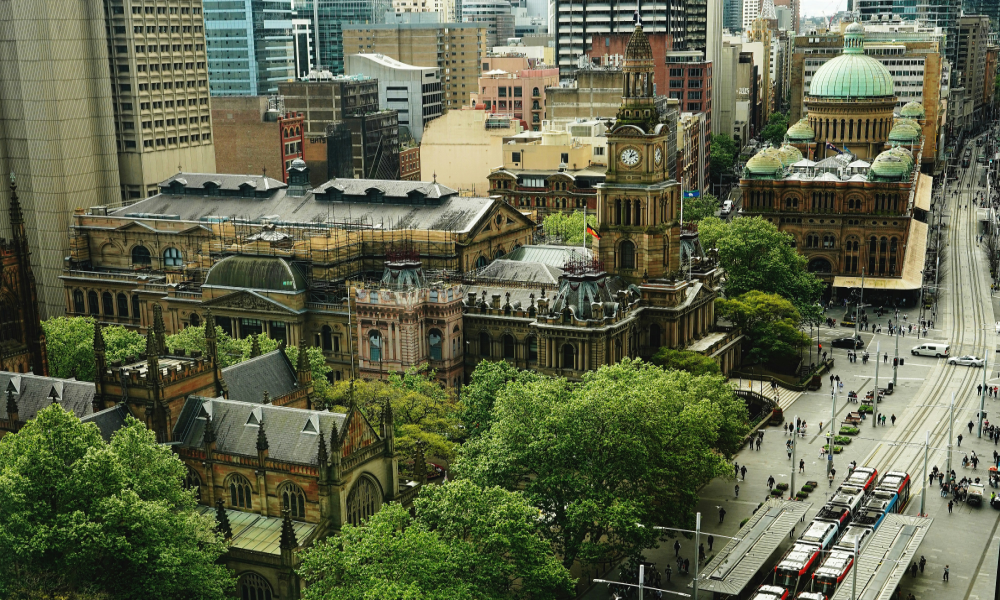
Sydney played host this week to the International Conference on Traffic and Transportation Engineering (ICTTE), bringing together researchers, engineers, planners and policy specialists for two days of deep technical exchange. While the event is academically oriented, the discussions revealed a sector in transition, one where data, automation and resilient design are reshaping the fundamentals of how transport systems are planned, operated and safeguarded.
Unlike broader mobility gatherings, ICTTE is unapologetically technical. Its focus spans the full engineering spectrum: pavements, geotechnical materials, collision analysis, traffic control devices, multimodal planning and the emerging role of intelligent systems. The result was a conference rich in detail and grounded in the practical realities of transport engineering.
One of the strongest threads running through ICTTE 2026 was the maturation of Intelligent Transportation Systems (ITS) as core infrastructure rather than optional enhancement. Presentations explored how connected vehicles, smart driving systems and autonomous technologies are beginning to influence traffic operations at scale.
Researchers highlighted advances in vehicle-to-infrastructure communication, demonstrating how real-time data exchange can reduce delays, improve safety and support more adaptive traffic management. Several papers examined the integration of autonomous vehicles into mixed traffic environments, with new modelling approaches showing how even modest penetration rates can influence flow stability and intersection performance.
The conference’s ITS sessions also emphasised the importance of resilient system design, particularly as networks become more dependent on digital connectivity. Cyber-secure architectures and redundancy planning were recurring themes, a recognition that the future of traffic engineering is as much about data integrity as it is about asphalt and signals.
Traffic safety remains a central pillar of ICTTE and this year’s programme delivered a wide range of insights into crash analysis, road safety management and the design of safer urban environments. Several studies presented new methods for collision data collection and interpretation, leveraging machine learning to identify high-risk patterns that traditional analysis might miss.
Intersection safety was a major focus, with researchers showcasing innovative applications of traffic control devices to protect pedestrians and cyclists. These included adaptive pedestrian phases, conflict-reduction geometries and enhanced visibility treatments for vulnerable road users.
A standout theme was the shift toward proactive safety, where risk is identified and mitigated before incidents occur. This aligns with global Vision Zero strategies and reflects a broader movement within the engineering community toward predictive, data-driven safety planning.
ICTTE’s technical depth was on full display in sessions dedicated to pavements, soils and geotechnical engineering. Presenters explored advancements in stabilisation techniques, unbound granular layers and climate-resilient materials, all critical as infrastructure faces increasing environmental stress.
New research on pavement management systems demonstrated how improved data collection and lifecycle modelling can extend asset life while reducing maintenance costs. Several papers examined the impact of climate change on pavement performance, highlighting the need for materials that can withstand more frequent temperature extremes and moisture variations.
Innovation in surfacing technology also featured prominently, with studies exploring recycled materials, low-carbon binders and surface treatments designed to improve skid resistance and reduce noise.
Urban mobility challenges were a major focus, reflecting the pressures facing growing cities worldwide. ICTTE’s sessions on transportation planning and multimodal integration highlighted the need for systems that are flexible, equitable and capable of supporting diverse travel behaviours.
Researchers presented best practices in urban transportation planning, including new modelling approaches that account for micromobility, shared transport and evolving land-use patterns. Several papers explored the role of geographical information systems (GIS) in transport management, demonstrating how spatial analytics can improve route planning, accessibility assessments and infrastructure prioritisation.
The conference also addressed the complexities of goods movement, with studies examining how freight can be integrated more safely and efficiently into urban environments. This included strategies for last-mile delivery, kerbside management and the mitigation of heavy-vehicle impacts on local streets.
Climate change considerations were woven throughout the programme, particularly in sessions focused on geotechnical materials, infrastructure design and risk assessment. Presenters emphasised the need for transport systems that can withstand extreme weather, flooding and long-term environmental shifts.
Several papers explored vulnerability assessment frameworks, offering new tools for identifying weak points in transport networks and prioritising resilience investments. Others examined the role of nature-based solutions, such as vegetated drainage systems, in improving stormwater management and reducing infrastructure stress.
The overarching message was clear: resilience is no longer a specialist concern — it is a core engineering requirement.
ICTTE’s traffic engineering sessions delivered fresh insights into the science of movement. Researchers presented new models for traffic flow analysis, signal optimisation and multimodal operations, with a strong emphasis on real-world applicability.
Innovative applications of traffic control devices were showcased, including designs aimed at improving cyclist and pedestrian mobility. Studies on parking and travel information systems highlighted how better data can reduce congestion and improve user experience.
Mobile communications and transportation safety also featured prominently, with several papers examining how connected devices can support incident detection, emergency response and network monitoring.
What sets ICTTE apart is its commitment to the fundamentals of transport engineering. While many conferences focus on high-level mobility concepts, ICTTE remains grounded in the technical disciplines that make transport systems function: pavements, structures, safety, traffic control and materials science.
This year’s event reinforced the importance of engineering rigour in an era of rapid technological change. As digital systems, automation and data analytics reshape the mobility landscape, the foundational principles of traffic and transportation engineering remain essential and increasingly intertwined with emerging technologies.
As ICTTE Sydney 2026 concluded, it was clear that the sector is entering a period of accelerated evolution. The integration of intelligent systems, the push for resilience and the demand for safer, more sustainable networks are driving innovation across every corner of the discipline.
For engineers, planners and researchers, the conference offered both a snapshot of current progress and a roadmap for the challenges ahead. And for the wider mobility community, ICTTE provided a reminder that the future of transport will be built not only on bold ideas, but on the meticulous, data-driven engineering that underpins every successful system.
Click the buttons below to see more articles:
See all ArticlesIndustry InsightEventsITS Thought LeadershipITS Educational