150x150.png)

Intelligent Transport Systems are becoming essential for understanding and guiding mobility when cities shift into after-hours mode, we look at how ITS technologies can be used to transform busy cities at night-time.

Behind every container lifted from a ship and every suitcase placed on a conveyor belt sits a network of intelligent transport systems that keep global logistics moving.
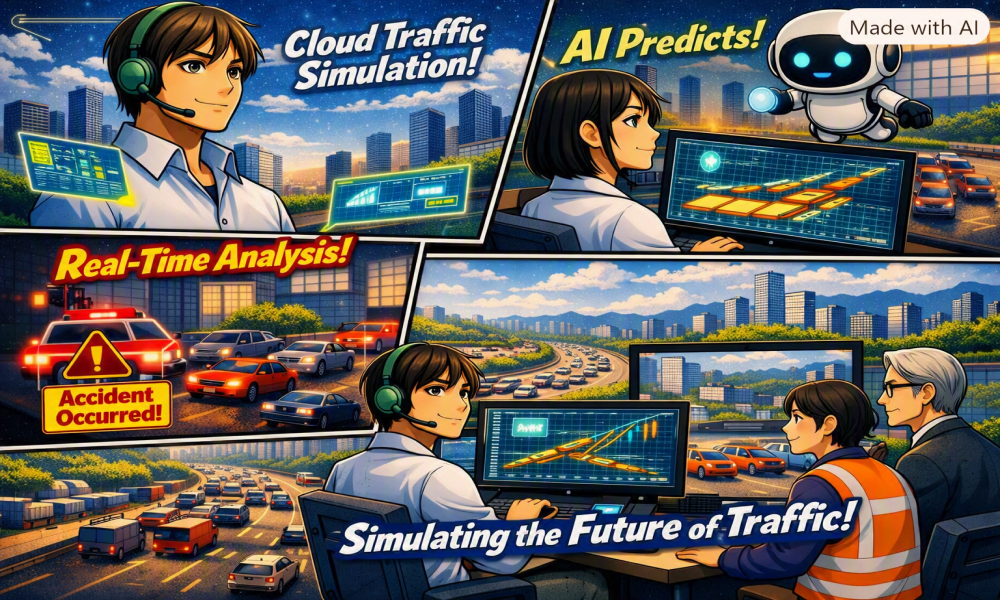
A quiet revolution that is beginning to reshape how engineers, planners and operators understand the road network. Cloud native platforms, AI assisted modelling and real time simulation are changing the nature of the craft.
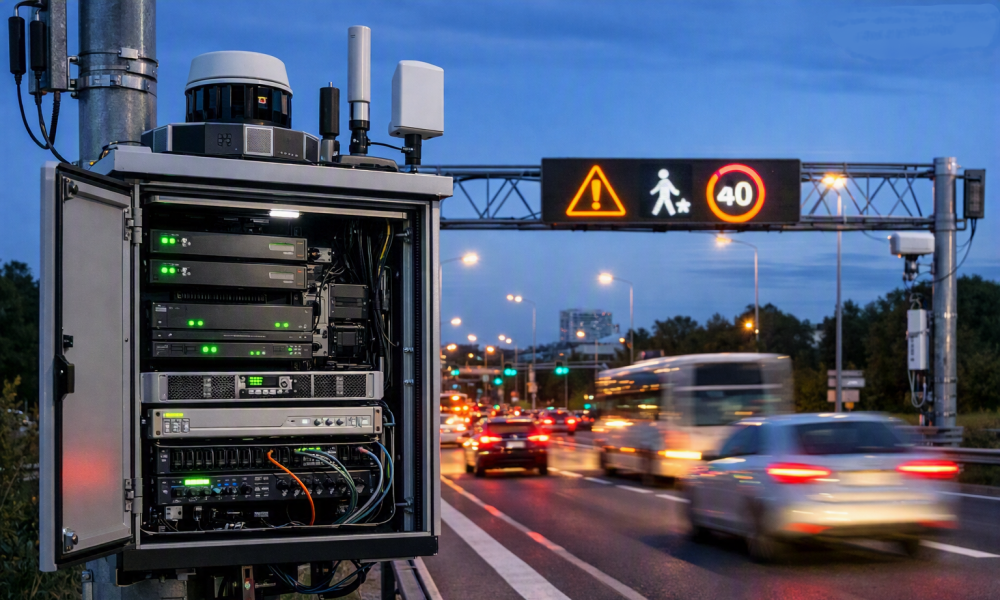
The roadside unit inhabits a curious presence in the ITS landscape. Most people never notice, yet it forms an important touchpoint between connected vehicles and the digital systems that shape their journeys.
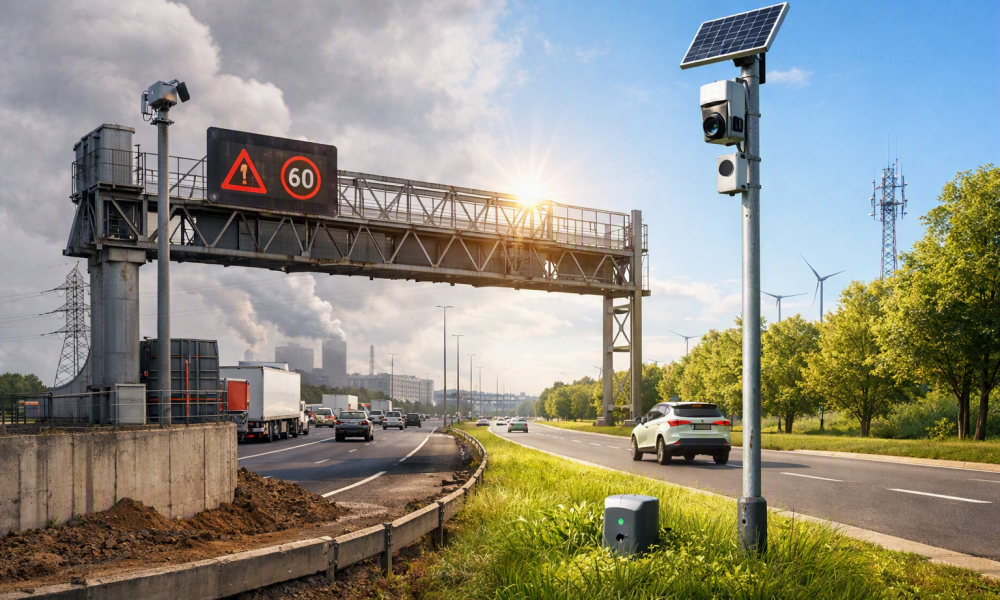
The ITS industry has long celebrated the efficiency gains that digital systems deliver, but the carbon cost of the infrastructure that supports them has remained largely out of sight.

Connected vehicle data is becoming the currency of modern mobility. The question of who pays, who profits and who controls access will determine whether connected mobility reaches its full potential.

Predictive policing in transport is often discussed as if it were already woven into the fabric of modern mobility management, however, the ethical questions sit ahead of the technology rather than behind it.
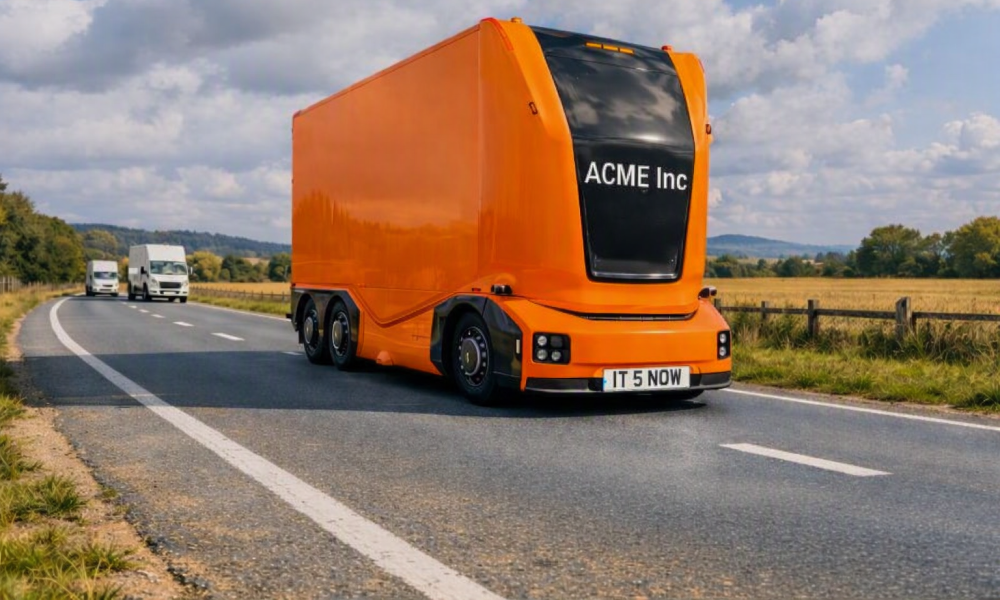
Autonomous freight corridors are beginning to move from speculative concept to practical ambition, yet the path to real-world deployment remains shaped by a complex blend of policy choices, infrastructure readiness, telematics maturity and commercial incentives.
The struggle to control the vehicle operating system has become one of the defining contests of modern mobility. It is no longer a quiet technical debate buried deep in engineering departments.
5G and 6G will be shaped not by marketing slogans, but by the steady work of authorities, engineers and communities. Progress will come through practical deployment, honest evaluation and a willingness to adapt.
Digital mobility has become the default interface for modern transport, however, the accessibility gap in digital mobility is widening, and it is time for the sector to confront it with honesty and ambition.

A rainy bank holiday is when the nation’s roads, rails and buses reveal every quirk, flaw and triumph, and when the quiet, clever machinery of ITS shows why it matters more than most people realise.

The digital transformation that promised efficiency, flexibility and intelligence has also opened the door to adversaries who see value in disruption, the new cyber arms race is here.
An emerging, once in a generation opportunity, to revitalise the ITS sector by offering Degree Apprenticeships to young people.
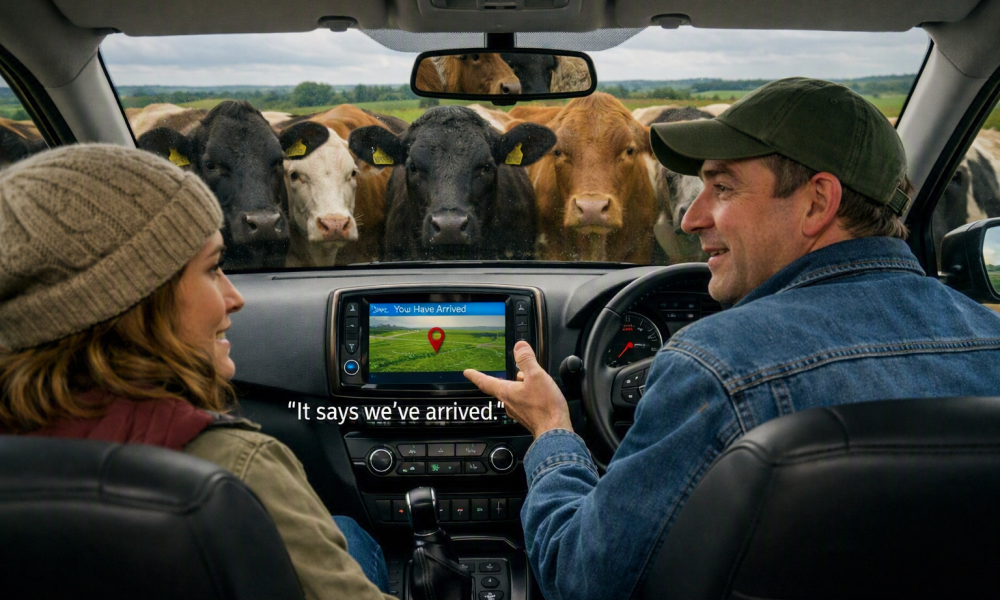
Rural mobility has always sat slightly off-centre in the ITS conversation, acknowledged as important but rarely treated as a strategic frontier.
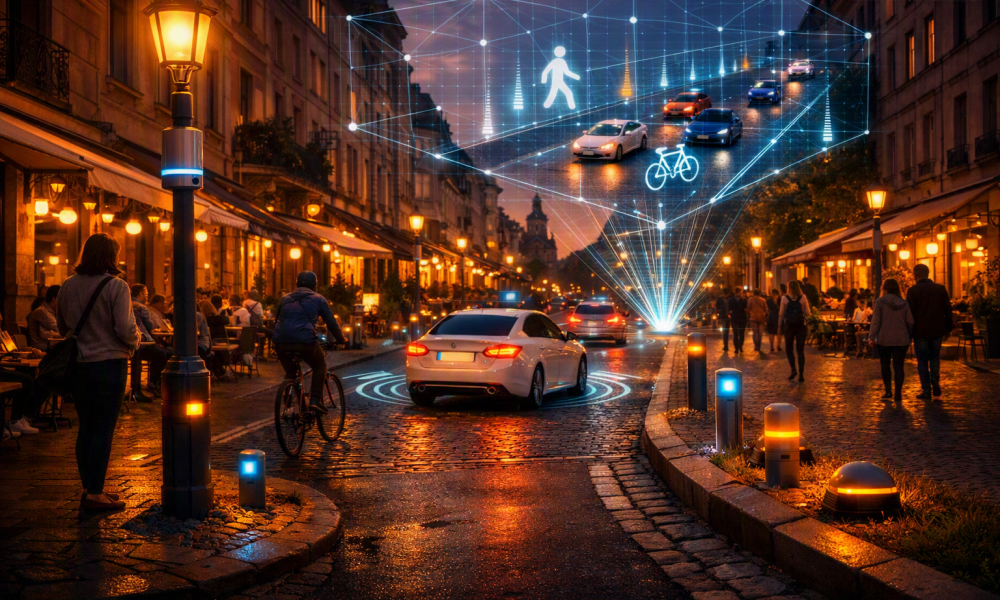
The sensorisation of highways is no longer a speculative idea, it is emerging through connected vehicles, intelligent infrastructure and the growing need to provide assurance to automated systems.
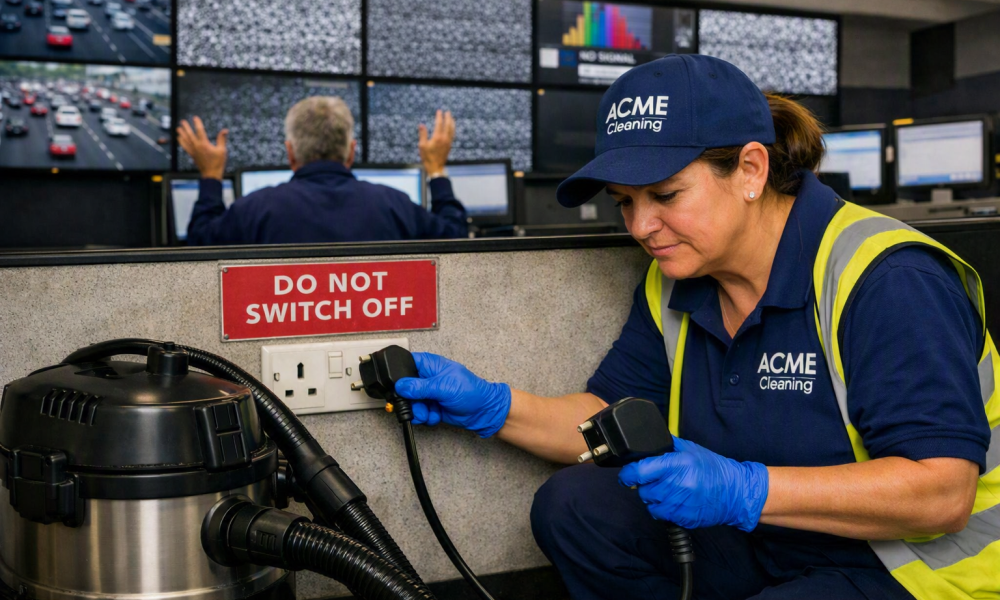
The recent power failure at Network Rail’s Manchester operations centre was described as a rare event, yet its consequences were anything but minor, with widespread disruption across the rail network.

While AI technology accelerates, the law follows at a far more measured speed. The result is a widening gap between what AI can do and what regulators are prepared to govern.
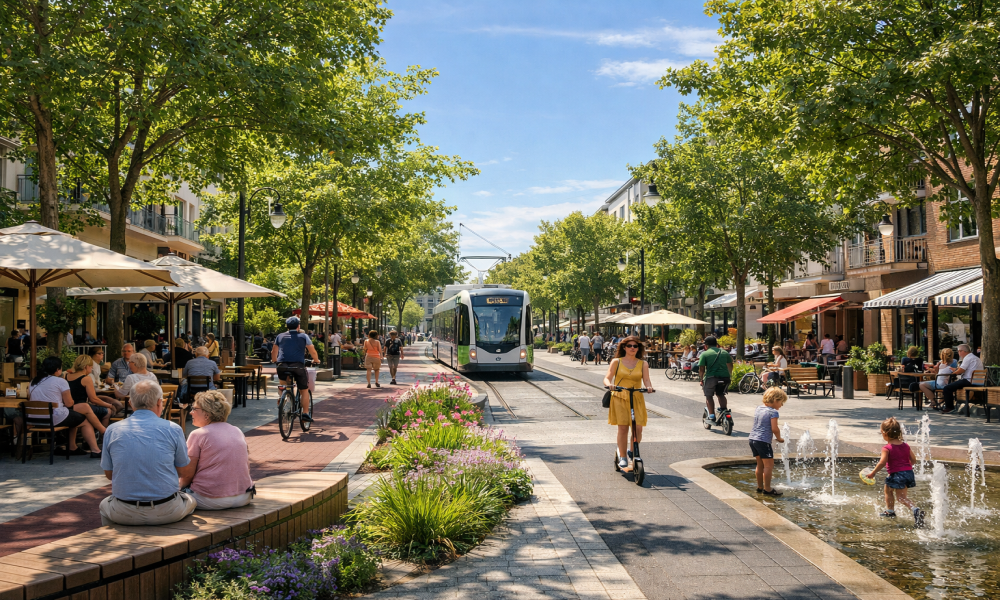
What does a 'post-car' city actually look like when it is built from evidence rather than ideology?
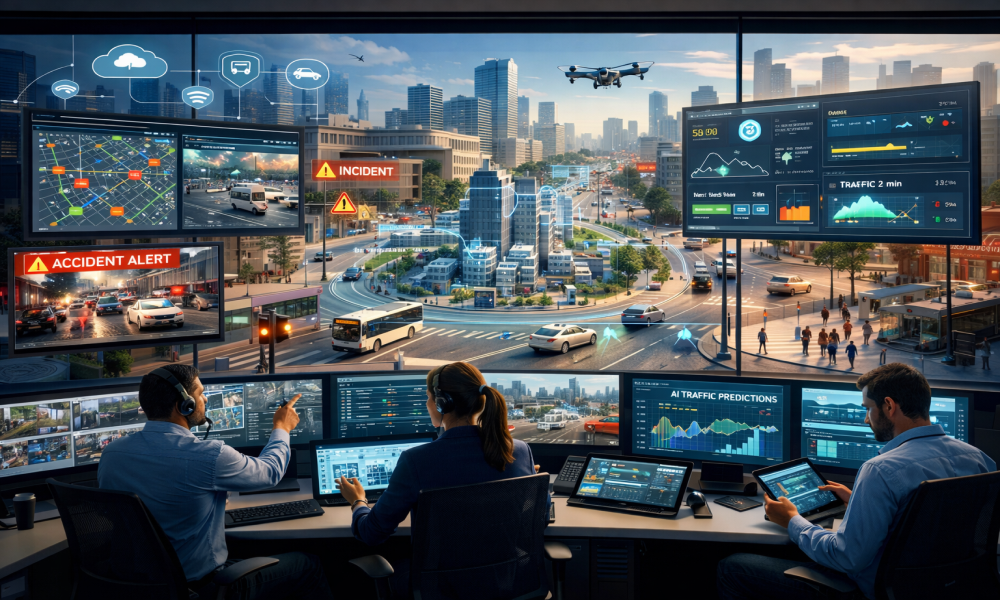
Monolithic TMS, which was once the proud centrepiece of urban traffic operations, is now struggling to keep pace with a world that no longer behaves in neat, predictable patterns.

Mobility data is the unruly teenager of the infrastructure world. It is everywhere, growing fast, often misunderstood, and almost entirely unregulated in any meaningful sense. The question is whether it should remain that way.
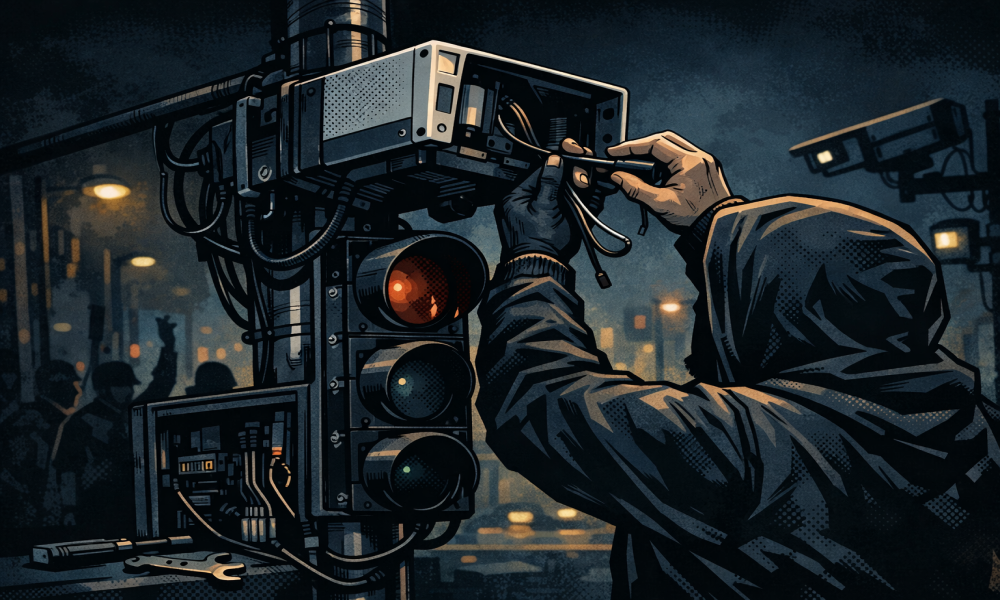
Growing concerns have been raising the alarm about a rise in confrontational behaviour towards people working in traffic systems, and a growing number of incidents where members of the public vandalise, disable, or steal roadside equipment.

A brand-new car-park ticket machine was found covered in expanding foam, rendering it completely useless. What does this tell us about public trust in ITS?

Smart mobility has spent the past decade presenting itself as the clean, frictionless future, yet beneath the optimism lies a truth that the sector rarely confronts, is ITS really carbon neutral?

For years, the intelligent transport systems community has treated connectivity as a terrestrial challenge, but could Low-Earth Orbit (LEO) satellites transform ITS?
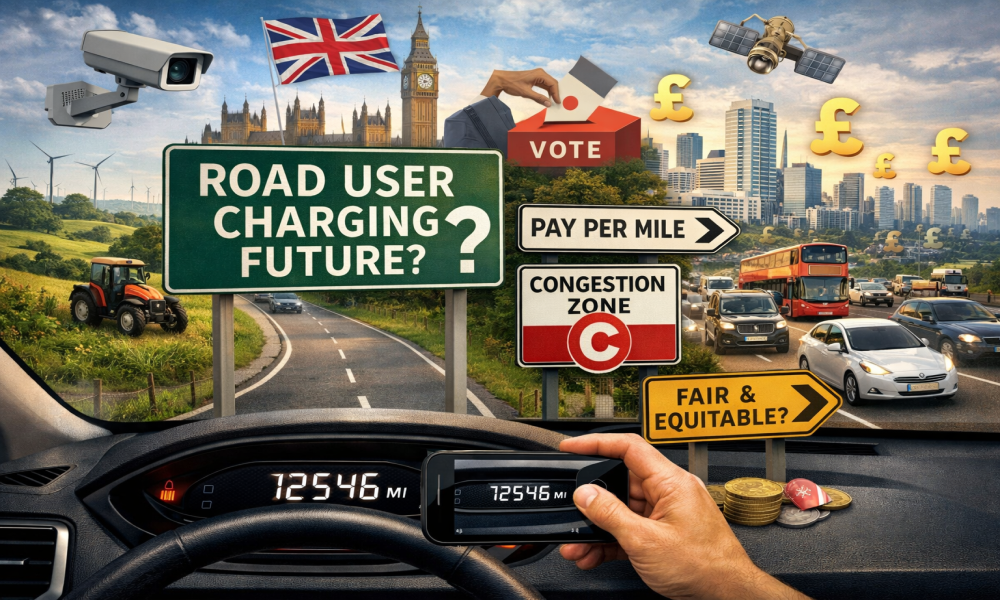
Not the technology, but the politics, the public acceptance challenge and the equity debate, how can fuel duty be replaced, in order to fund the road network?
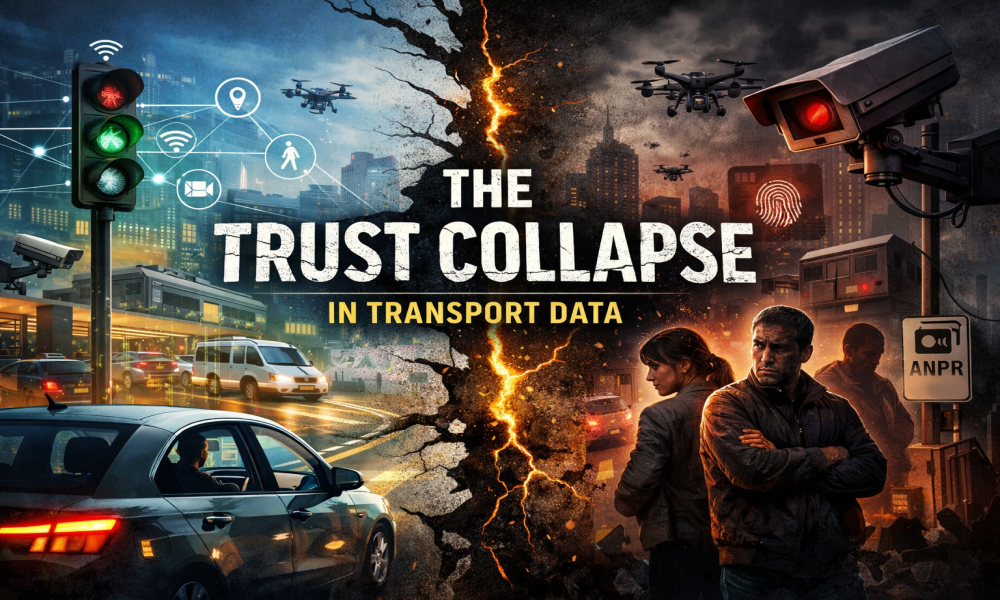
Citizens are becoming more sceptical, more defensive and more resistant to the collection and use of data that make modern mobility possible.

Climate resilience has quietly become the defining KPI for Intelligent Transport Systems because the climate itself has become an operational threat.
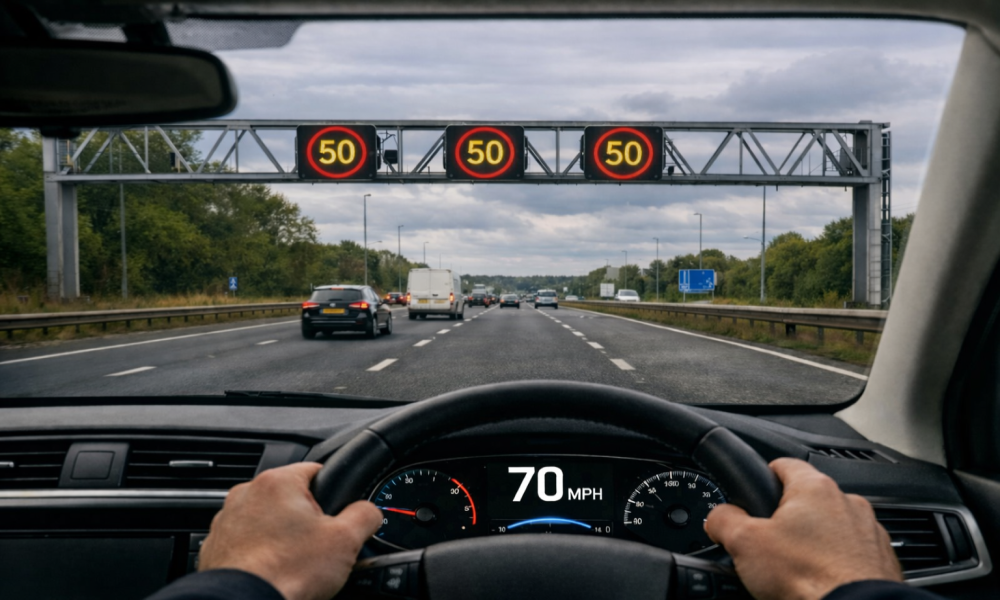
We often discuss enforcement and infrastructure technologies, but far less often do we examine the behavioural psychology that determines whether any of it actually works.

For all the talk of seamless mobility, the Intelligent Transport Systems (ITS) sector remains anything but seamless.

How a structural financial squeeze is reshaping what authorities can afford, what suppliers can deliver and the future of ITS.

A paper by Dr Stephane Dreher, Maria Alonso-Raposo and John Paddington of ERTICO, looking at challenges pertaining to remote driver derived data collection for autonomous vehicles.

Every 1st of April, the mobility sector does what it does best, it experiments. Not always with products or pilots, but with humour.

2026 marks a clear inflection point in how the UK highways sector defines, manages and regulates traffic signs and road markings.
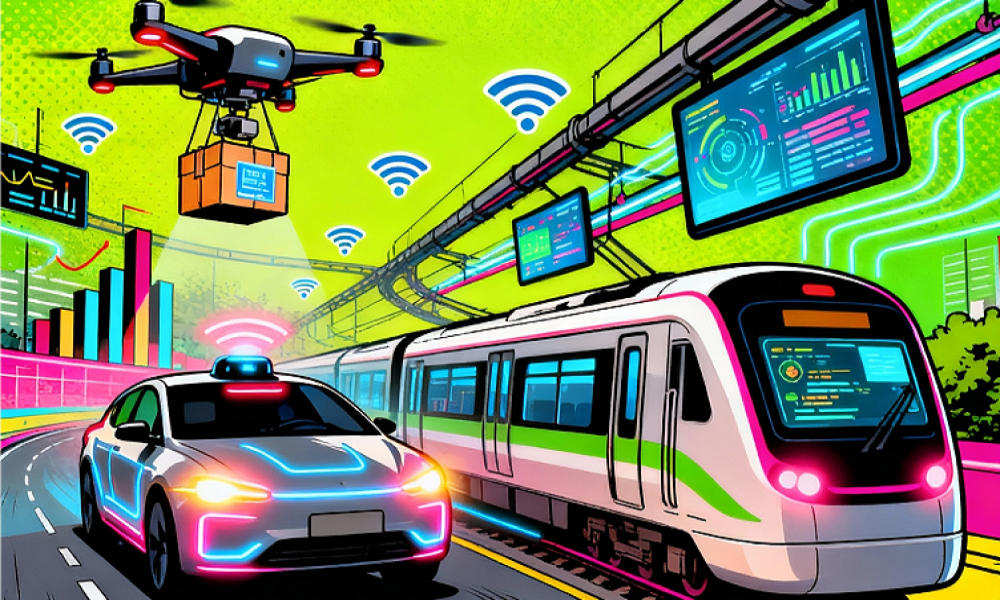
This article explores how intelligent systems can strengthen safety and resilience across increasingly complex transport networks.
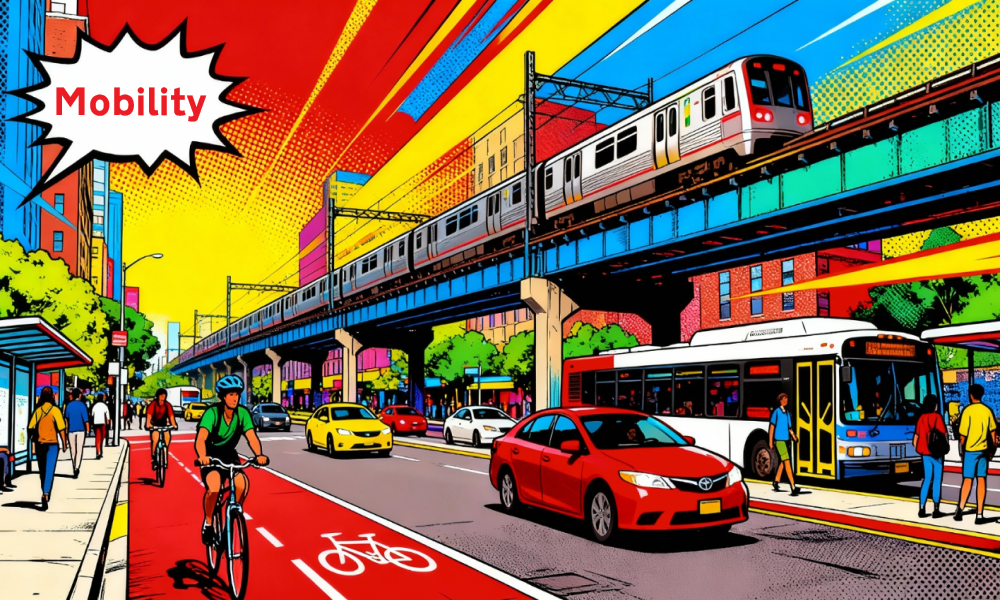
As cities and regions evolve, mobility systems are being reshaped by rapid technological change, shifting user expectations and the urgent need for more sustainable, inclusive transport.
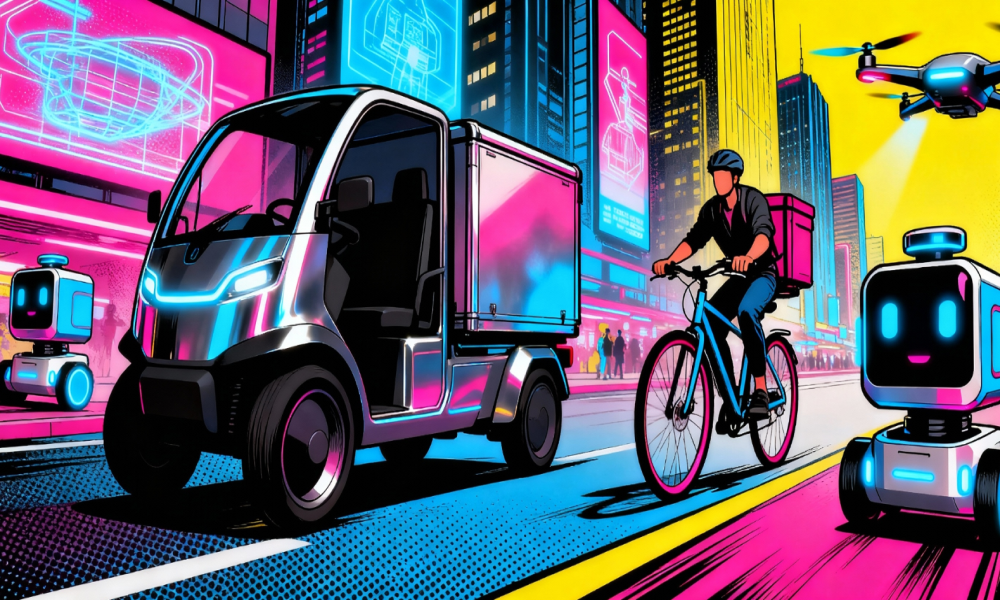
Every product we consume, every component that fuels industry and every parcel that arrives at our door relies on a complex web of supply chains that span cities, regions and continents.
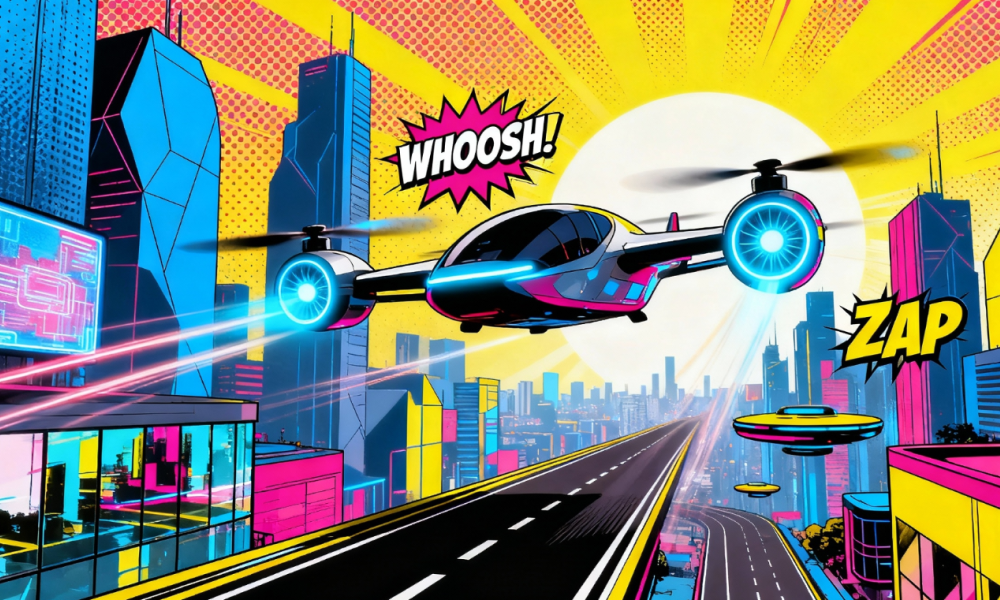
The question is no longer whether non road modes should evolve, but how innovation can accelerate sustainable, connected mobility across rail, air and water.

As Connected and Automated Mobility technologies mature, the promise of safer, cleaner and more efficient mobility is fraught with technical, infrastructural and strategic challenges, chief among them, digital connectivity.
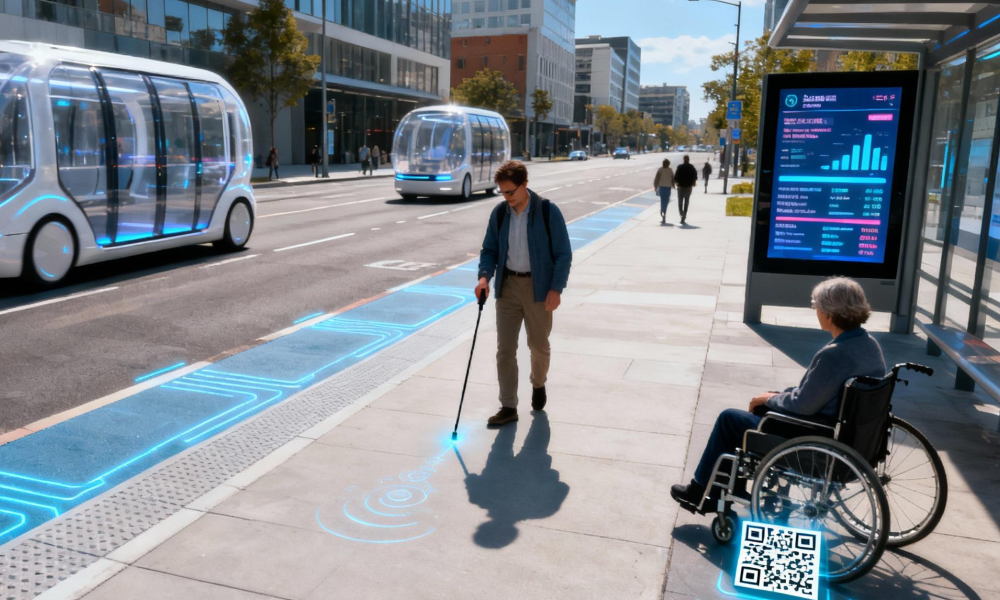
For decades, urban streets and public transport have presented significant, often prohibitive, barriers for individuals with mobility and sensory impairments, but now Intelligent Transport Systems (ITS) are poised to deliver the next revolution in accessibility.

For the Intelligent Transport Systems (ITS) sector, which increasingly relies on interconnected, automated and safety critical technologies, the lessons from Ahmedabad are not just relevant they are imperative.

The Intelligent Transport Systems (ITS) sector stands at a critical juncture. For decades, it has served as the silent architect of modern mobility.

The conversation surrounding Connected, Cooperative and Automated Mobility (CCAM) has fundamentally shifted.

The evolution of Intelligent Transport Systems (ITS) and Cooperative, Connected, and Automated Mobility (CCAM) hinges critically on robust and reliable communication technologies.

Despite the clear public benefits of ITS, a significant minority of people view these systems with suspicion, hostility and in some cases, outright vandalism.

What are the issues that challenge the effective use and deployment of ITS across the world.

In an era defined by rapid technological advancement, the integration of Intelligent Transport Systems (ITS) into our daily lives holds immense promise.

The foundation of Intelligent Transportation Systems (ITS) analysis rests heavily upon statistical measures, providing a framework for understanding and optimising traffic flow.

The observation of a signalised pedestrian crossing in Mutrah, Oman, devoid of a push button, presents a fascinating case study in urban traffic management.

The devil lies in the details and the achievement of consistency. It's a truth often overlooked in the rush to implement cutting-edge technologies and address pressing transportation challenges.

Implementing Intelligent Transport Systems (ITS) projects in less developed countries provides an illuminating lens through which to examine the fundamentals of successful technological deployment. These environments, often characterised by resource constraints and unique socio-cultural landscapes, expose the inherent vulnerabilities and critical dependencies that can undermine even the most well-intentioned projects.

Undertaking designs for Intelligent Transportation Systems (ITS) can be a delicate tightrope walk, requiring a nuanced understanding of the interplay between working in compliance of standards and the fluid demands of user-centricity.
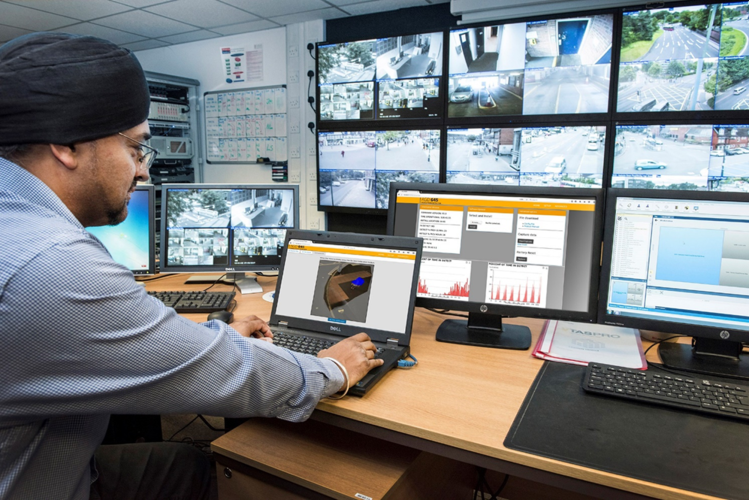
So, what is a Smart City? A Smart City is an urban environment where infrastructure and services are interlinked using technology to improve the quality of life by enhancing their operation. For stakeholders, this interconnectivity provides a pathway to improve their services, whilst also accruing cost benefits by using shared infrastructure and data streams.

Over the past decade, technology manufacturers have made great strides in reducing the energy consumption of ITS equipment, the switch to modern electronics and LEDs has had a transformative impact on electrical consumption of installations, with many types achieving 80% savings when compared to traditional equipment.

The volume of information generated by Intelligent Transport Systems (ITS) and vehicles is likely to increase exponentially, especially following the introduction of Connected Autonomous Vehicles (CAV), mainly caused by the enormous amounts of data which these are likely to transact on a daily basis. So, how will the digital footprint that follows users across transport modes be protected to respect their privacy and ensure that they are not disadvantaged due to prejudice or commercial interest?

This article examins the issues posed by the climate emergency for the deployment and operation of ITS equipment, with particular focus on the following areas: Appropriateness of traditional ITS platforms and equipment in a changing technology climate; Carbon Reduction in the construction and operation of equipment; Resilience to extreme natural events.

Within the ITS sector, we have seen increasing use of AI in equipment and systems used for traffic management. However, at this point, their application is rather sporadic and lacks a cohesive approach to their use to achieve a strategic implementation.

There has been for some years, a realisation that the way in which the finite capacity is apportioned in our busy urban streets will need to be reviewed to cope with the ever-increasing demands put on them. As a result, we have seen our streetscape gradually evolving to benefit the increasing number of members of the public who are using active transport modes, such as walking and cycling.
Click the buttons below to see more articles:
See all ArticlesIndustry InsightEventsITS EducationalSearch