150x150.png)
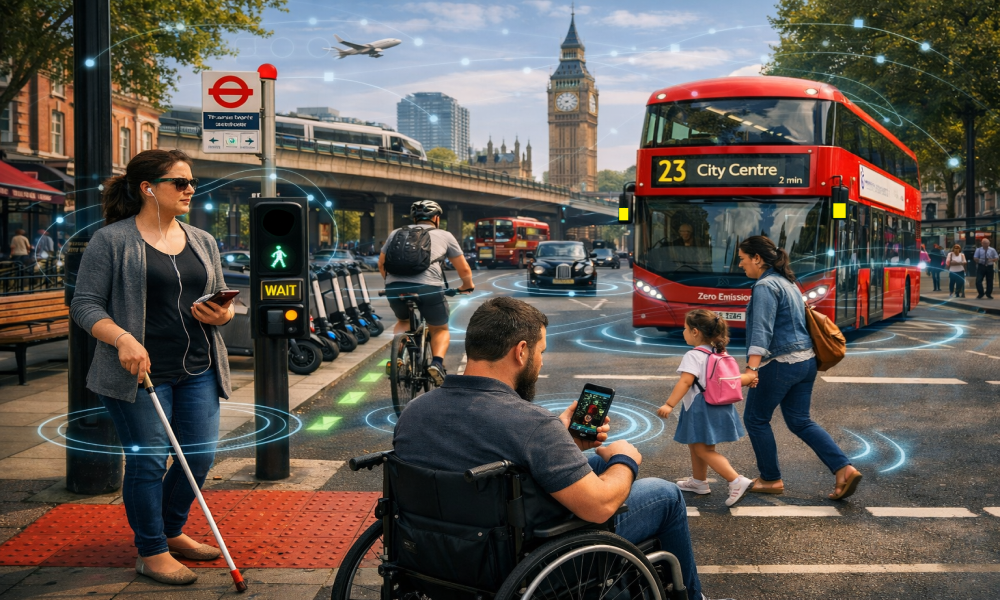
Despite sounding like a futuristic mode of transport, Intelligent Transport Systems (ITS) are actually technologies and systems associated with the management, operation and use of a broad range of transport modes and their inter-relationship with other infrastructure.
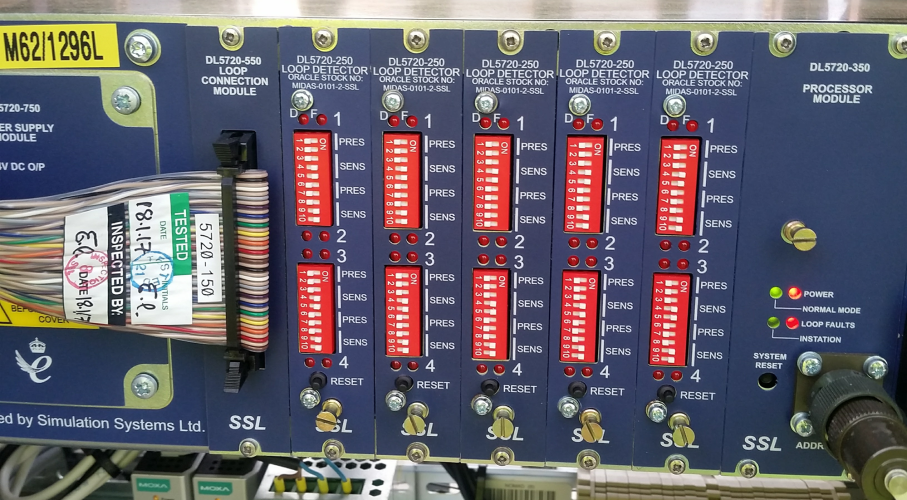
Technologies have been used for many years to passively monitor activity on the highway, however over the years additional features have been added to assist in actively managing traffic, these range from informing users about current conditions, so that they can make their own decisions, such as automatically warning drivers of incidents using roadside variable message signs, through to compelling users to modify their driving, such as by implementing variable speed limits or by using enforcement cameras etc.
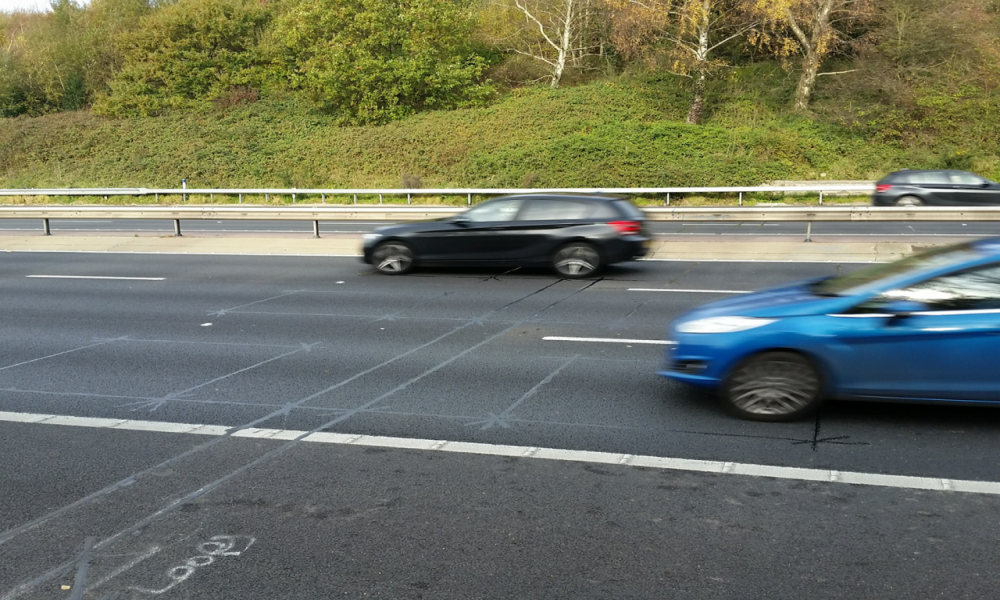
Ever seen rectangular, diamond or chevron black lines in the asphalt surface of a road and wondered what they are?
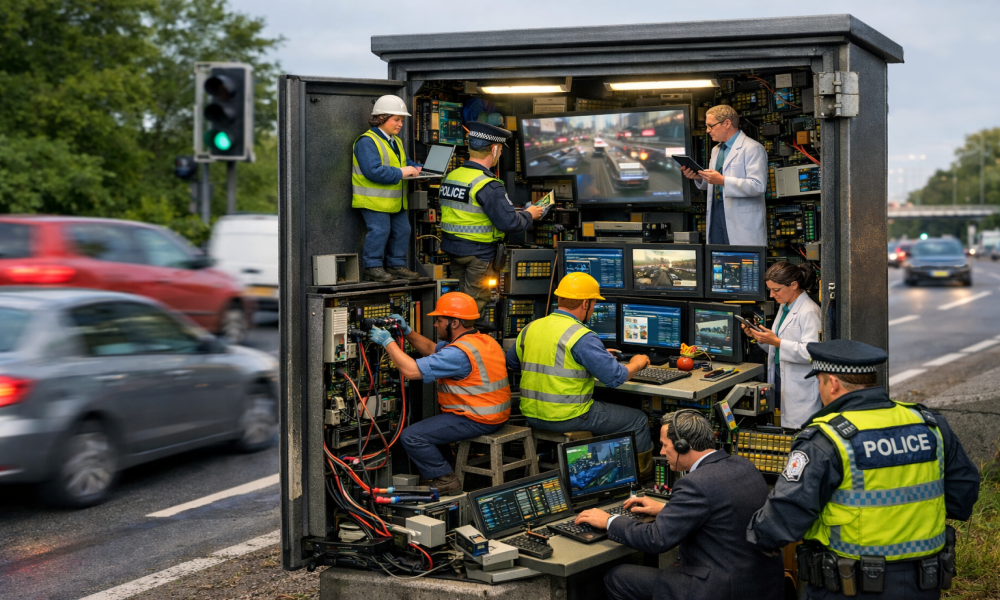
The impact that Edge Computing is having on ITS infrastructure is transformative. As roadside devices gain the capacity to analyse, decide and act without relying on distant servers, the sector is witnessing a profound change in how infrastructure behaves, how data flows and how mobility systems are governed.
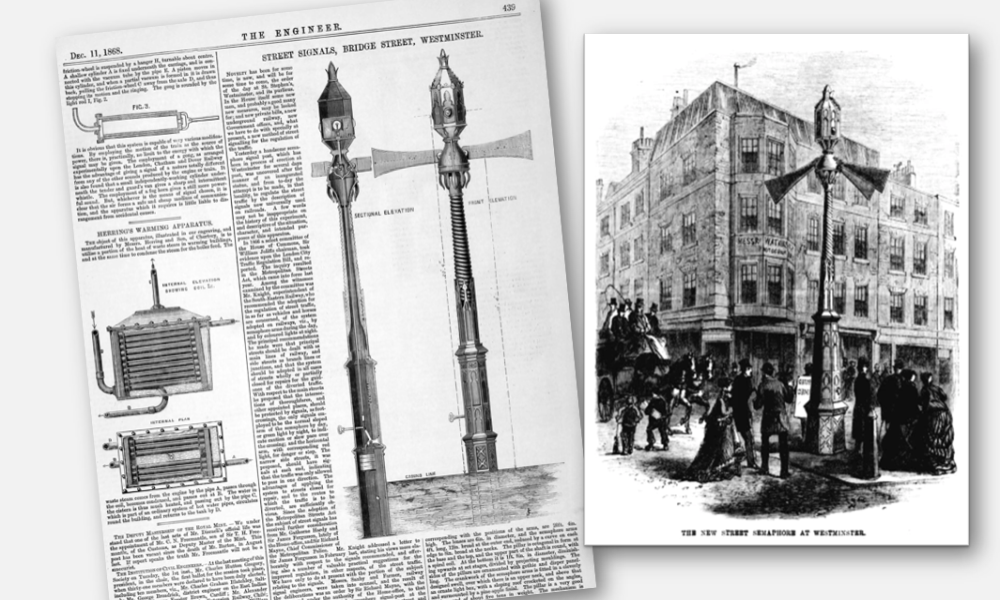
Many people assume that traffic signals emerged alongside the rise of motor vehicles, yet the foundations of modern signalisation were laid decades earlier. Long before roads were dominated by cars, engineers and scientists were grappling with the challenge of how to communicate movement, warning and control, at a distance.
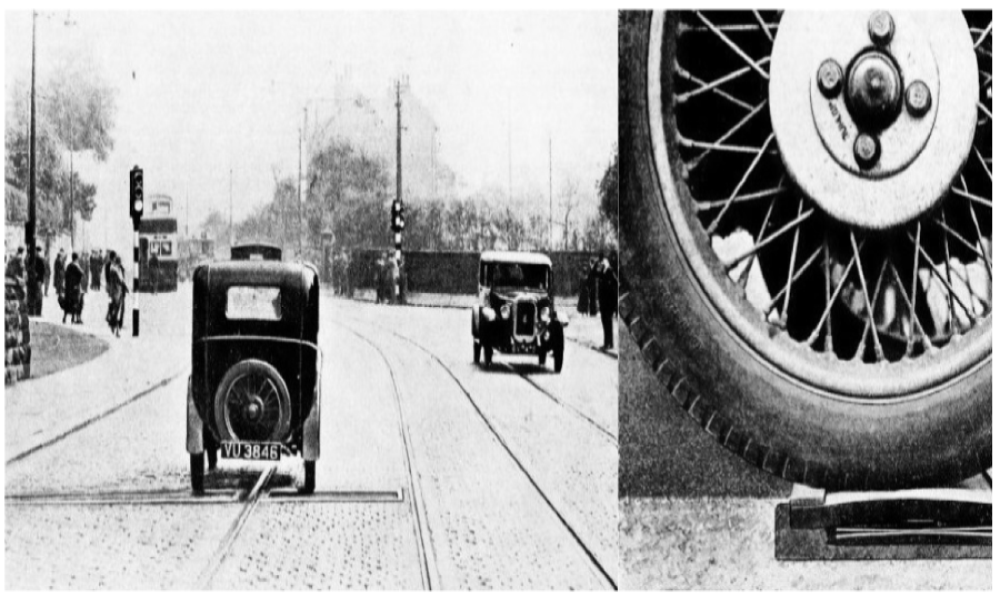
Technologies such as radar, video analytics, and connected vehicle data are now commonplace, yet the foundations of traffic detection were laid nearly a century ago. The history of detection is one of steady innovation, driven by the need to respond to growing traffic volumes, improve safety, and make better use of road space.
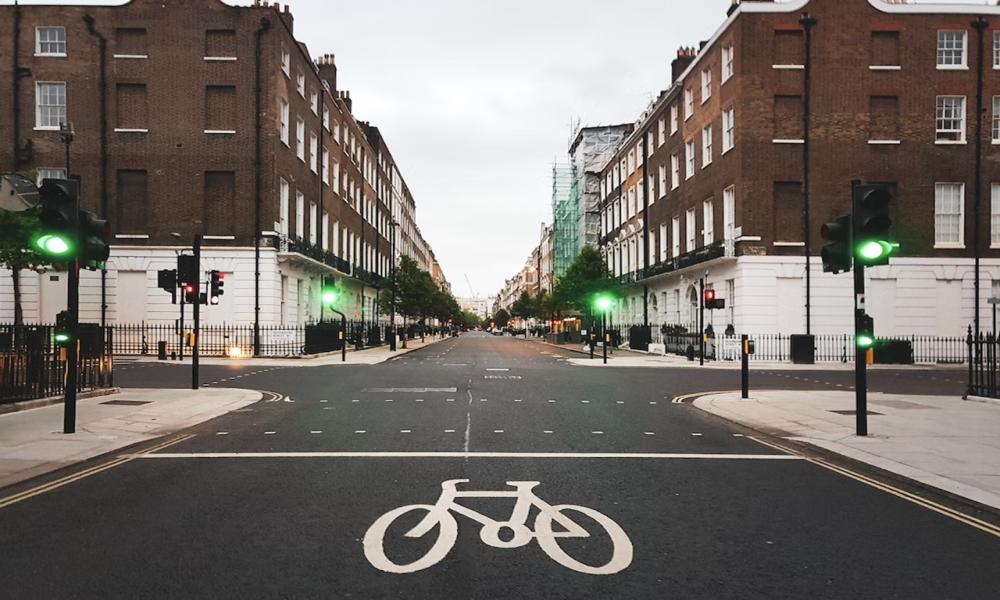
This article introduces the key concepts of aspects, phases, stages, streams, and cycle time, and explains how they work together to manage traffic safely and efficiently.
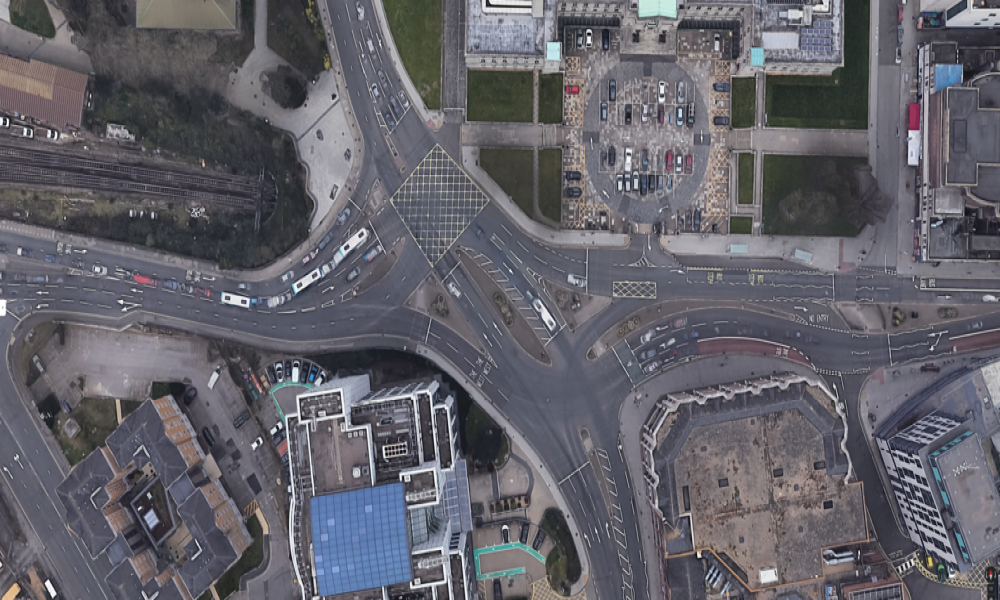
Among the most critical safety mechanisms within a Traffic Signal Controller (TSC) are the definitions of conflicts between traffic movements and the inter-green timings that separate them.

Saturation and capacity are two of the most important concepts in traffic signal design, as they directly determine how well a junction can accommodate traffic demand.
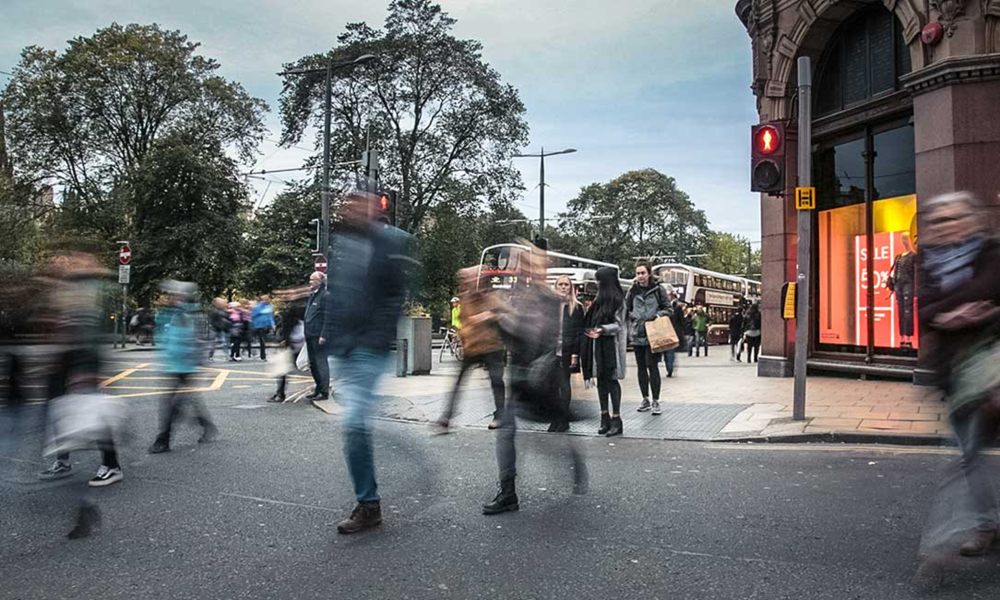
We explore how operating modes are structured within a controller, how priority is assigned between them, and how timetable entries influence their use. We then look in detail at three fundamental modes of operation: Manual, Fixed Time, and Vehicle Actuated control.
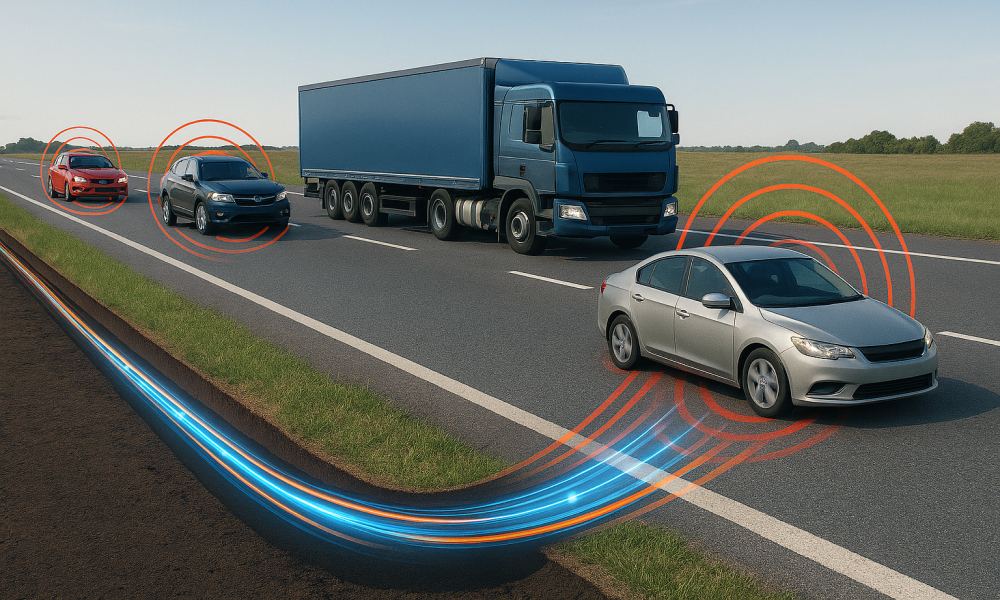
The arteries of modern society, our motorways and freeways, demand meticulous and proactive management to ensure the lifeblood of commerce and personal mobility flows unimpeded.
Click the buttons below to see more articles:
See all ArticlesIndustry InsightEventsITS Thought LeadershipSearch