
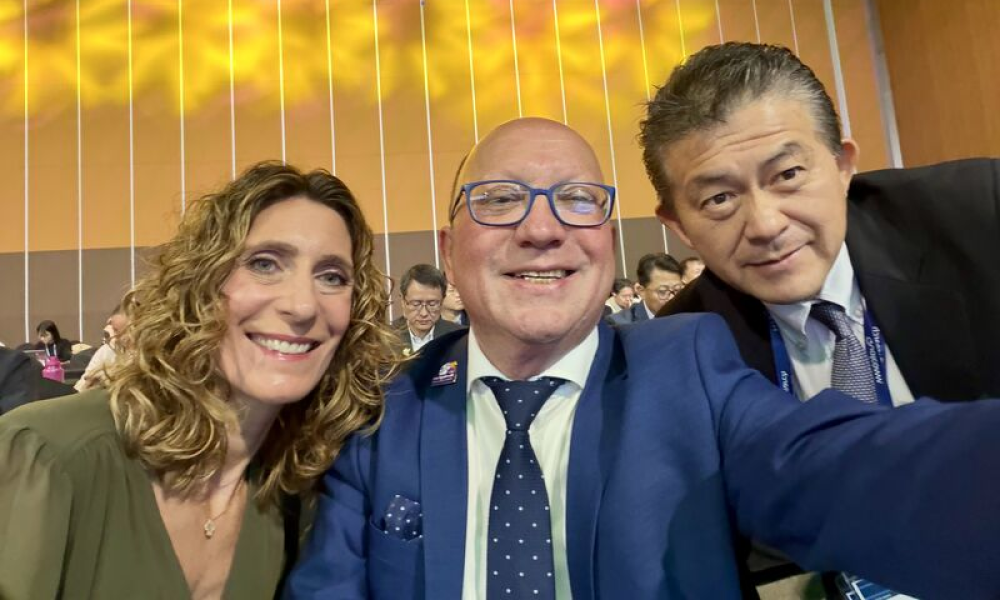
The final day of any ITS World Congress always carries a distinctive atmosphere. Energy levels may be lower than they were at the opening ceremony, yet the conversations often become more focused, more reflective and, in many ways, more valuable. By the time delegates gather for the fifth and final day of the 2026 ITS World Congress in Gangneung on 23 October, thousands of meetings will have taken place, countless ideas will have been exchanged and a clearer picture will have emerged of the technologies, policies and partnerships that are likely to shape the future of global mobility. The challenge for the final day is not simply bringing the event to a close. It is about helping participants leave with a sense of direction and purpose. The programme in Gangneung appears well positioned to do exactly that.
Throughout the week, the Congress theme of “Beyond Mobility, Connected World” has provided a framework for discussions that reach far beyond vehicles and transport infrastructure alone. Connectivity, digitalisation, artificial intelligence, automation and sustainability have been recurring themes across sessions, exhibitions and demonstrations. The closing day offers an opportunity to consolidate these conversations and explore what practical steps come next. Delegates who have spent several days moving between technical presentations, exhibitions and networking events often use the final day to revisit the topics that resonated most strongly and to identify opportunities for future collaboration.
Conference sessions remain active throughout Friday, ensuring that the Congress concludes not with ceremony but with substance. A broad range of technical and strategic discussions is expected to continue across the Convention Centre, covering many of the major themes that have shaped the week. Researchers, transport authorities, technology providers and mobility operators will be keen to share final findings and insights before delegates depart. These later sessions frequently produce some of the most candid and thought-provoking exchanges of the entire Congress. Speakers are able to reflect on discussions that have taken place earlier in the week, while audiences are often more willing to challenge assumptions and explore emerging ideas in greater depth.
Attention will also remain firmly focused on the exhibition halls. One of the notable features of recent ITS World Congress events has been the growing importance of the exhibition as a place for practical engagement. Gangneung's exhibition has brought together a remarkable range of organisations showcasing solutions in connected mobility, automated driving, traffic management, digital infrastructure, data analytics, public transport innovation and smart city technology. The final day provides a last opportunity for delegates to revisit exhibitors, explore demonstrations that they may have missed earlier in the week and, perhaps most importantly, continue conversations that could develop into future projects and partnerships.
Many exhibitors regard Friday as far more than a winding down exercise. Decision makers who have spent the week attending conference sessions frequently return to the exhibition with a clearer understanding of their priorities. Conversations therefore become increasingly practical. Questions shift away from broad concepts and move towards implementation, procurement, interoperability and deployment. Those responsible for developing next generation mobility solutions understand that some of the most significant business opportunities often emerge from discussions held during the final hours of a Congress.
Technical demonstrations and site activities across Gangneung are also likely to remain a major attraction. The host city has positioned itself as a living showcase for intelligent mobility, providing visitors with the opportunity to experience technologies operating within a real urban environment rather than simply viewing them in a conference setting. This practical dimension has become one of the defining strengths of modern ITS congresses. Seeing technologies in operation provides an entirely different perspective from hearing about them in a presentation. Delegates leaving Gangneung will do so with firsthand experience of how connected transport systems are moving from concept to deployment.
International collaboration will continue to feature prominently throughout the day. One of the enduring strengths of the ITS World Congress is its ability to bring together participants from every corner of the globe. Government representatives, academics, consultants, infrastructure operators and technology developers each arrive with different perspectives and priorities. The Congress provides a rare opportunity for those communities to exchange ideas directly. As the event draws to a close, discussions often focus on maintaining momentum once delegates return home. New partnerships are formed, existing relationships are strengthened and plans begin to emerge for collaborative projects that may shape future mobility programmes around the world.
A wider sense of reflection is also likely to emerge as participants assess the major themes that have defined the week. Artificial intelligence has become increasingly central to transport management, planning and operations. Connected vehicle technologies continue to mature. Automated mobility is progressing steadily from pilot programmes towards broader deployment. Sustainable transport objectives remain a priority for governments and operators alike. Data has become one of the transport sector's most valuable assets. These themes have woven their way through the Congress programme, and Friday offers a chance to consider how they intersect and how they might collectively influence future transport strategies.
For younger professionals and first time Congress attendees, the final day can be particularly significant. The relationships developed over the course of the week often prove just as valuable as the technical knowledge gained from formal sessions. New professional networks are established, career opportunities emerge and future collaborations are often initiated. Many of the conversations that begin informally during networking events continue long after the Congress has concluded.
There is also an inevitable sense of anticipation about what comes next for the global ITS community. Every World Congress acts as both a destination and a starting point. The innovations presented in Gangneung will continue evolving. Trial projects will develop into operational systems. Research findings will influence policy decisions. Technologies showcased this week may become mainstream solutions within the coming years. Delegates will depart Korea carrying not just brochures and business cards, but fresh ideas and renewed enthusiasm for transforming the way people and goods move.
As the doors close on five days of intensive discussion, demonstration and collaboration, the 2026 ITS World Congress will leave behind a valuable legacy. Gangneung has provided a fitting stage for the international ITS community to explore the challenges and opportunities shaping the future of transport. The conversations held here will continue long after the final delegates have boarded their flights home, helping to influence the next generation of intelligent mobility solutions across the world.
For readers keen to revisit the highlights and explore the stories behind the headlines, keep an eye out for the special ITS Edge Magazine 2026 Gangneung ITS World Congress Review Edition, which will be published next week at ITS Edge Magazine. Bringing together the key announcements, major industry themes, exclusive interviews, exhibition highlights and expert analysis from across the week, the review edition will provide a comprehensive record of what happened in Gangneung and what it could mean for the future direction of intelligent transport systems worldwide.
Click the buttons below to see more articles:
See all ArticlesIndustry InsightEventsITS Thought LeadershipITS Educational