150x150.png)
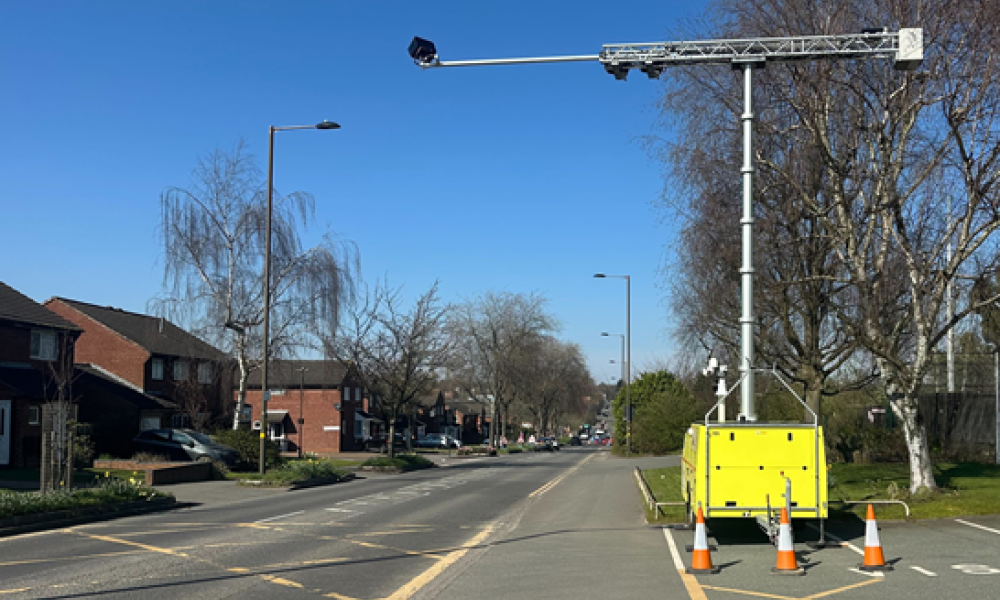
The latest findings from an AI camera trial in the West Midlands have once again pushed a difficult truth into the spotlight. Dangerous behaviour on Britain’s roads is not only persisting, but also doing so at a scale that should concern anyone with an interest in public safety. The figures emerging from Birmingham and Wolverhampton during a short deployment in March reveal patterns that are now impossible to dismiss. They show thousands of drivers and passengers continuing to ignore laws designed to protect them, and thousands of moments where a routine journey could have tipped into something far more serious.
The trial, delivered by Transport for West Midlands using technology supplied by Acusensus, ran outside fire stations in Ladywood and Fallings Park. Over just two weeks, the system flagged nearly 19,000 potential mobile phone and seatbelt offences. The numbers are stark. At Ladywood, initial scans identified more than eleven thousand potential seatbelt offences and over one thousand potential mobile phone offences. At Fallings Park, the figures were more than six thousand and over seven hundred respectively. These are not isolated snapshots. They are part of a growing body of evidence from trials across the UK that point to the same conclusion. Risky behaviour behind the wheel remains widespread.
Geoff Collins, UK General Manager at Acusensus, has been clear in his response. He believes the findings should act as a catalyst for meaningful action. His view is shaped by repeated exposure to similar results from deployments in other regions. Trial after trial, the pattern holds. People continue to use mobile phones while driving and continue to travel without seatbelts. Both behaviours have long been recognised as major contributors to serious collisions. Both are entirely avoidable.
The images captured during the West Midlands trial underline the human reality behind the statistics. One photograph showed a front seat passenger holding a small child on their lap without any restraint. Another revealed a driver gripping a phone with both hands while looking down at the screen. These moments are not abstract risks. They are situations where a single unexpected event could have devastating consequences. A child without a seatbelt is exposed to forces that no adult could hope to protect them from in a collision. A driver with both hands off the wheel is effectively travelling blind to the world around them. The danger extends beyond the vehicle itself. Pedestrians, cyclists and other road users can be drawn into the consequences of someone else’s decision.
Collins described the images involving children as particularly distressing. His point is simple. A child depends entirely on the adults around them to keep them safe. Ensuring they are properly restrained should be one of the most basic responsibilities before any journey begins. He also highlighted the risk posed by drivers who divert their attention to a phone. The consequences of that choice can fall on people who have done nothing wrong. It is a reminder that road safety is not only a matter of personal responsibility. It is a shared obligation.
The trial was funded by the West Midlands Combined Authority and delivered in collaboration with the police and fire services. UK based human reviewers validated thousands of detections, ensuring that the technology was supported by expert judgement. No enforcement action followed the trial. Its purpose was to help authorities understand the scale of the problem and to explore how AI camera systems could support future enforcement. The findings are now being evaluated as part of that process.
Collins believes the next step should be to use the evidence to support lasting changes in behaviour. He argues that the value of these trials lies in their ability to make dangerous behaviour visible. Traditional patrols cannot observe every vehicle on every road. Technology can help police identify potential offences at a scale that would be impossible through conventional means. Human review remains essential, but the combination of automation and expert oversight provides a powerful tool for road safety partnerships.
He is also clear that detection alone is not enough. Knowledge must be translated into action. Education and effective enforcement are both needed to shift behaviour. Putting the phone away and fastening a seatbelt should become habits on every journey. Success should be measured not by the number of detections but by the reduction in risky behaviour and the reduction in families suffering the consequences. Other parts of the UK are already seeing improvements where the Acusensus Heads Up system is actively deployed. The West Midlands could follow that path.
The political leadership in the region has signalled its intent. West Midlands Mayor Richard Parker has pledged to use available resources, including new technology, to make streets safer. Police and Crime Commissioner Simon Foster has confirmed that the partnership is considering how AI cameras could be deployed for future enforcement. Their statements reflect a growing recognition that technology can play a constructive role in addressing persistent road safety challenges.
The broader context is one of rising interest in intelligent enforcement tools. Acusensus, founded in Australia in 2018, has developed patented camera software and hardware capable of detecting speeding, mobile phone use, seatbelt compliance, illegal lane use and vehicles of interest simultaneously. The company operates programmes across several Australian states and territories, as well as in international jurisdictions, and has established a base in North America. Its technology is designed to support authorities in identifying behaviours that contribute to collisions and casualties. The Heads Up system has become a reference point for how AI can be applied responsibly in road safety.
The West Midlands trial adds another chapter to a story that is becoming increasingly familiar. Dangerous behaviour is happening at scale. It is visible when technology is used to look for it. It is not confined to any single region or demographic. It is a challenge that requires a coordinated response. The findings from Birmingham and Wolverhampton are not a surprise to those working in road safety, but they are a reminder that progress depends on sustained effort.
The images captured during the trial will not be forgotten quickly. They show real people making choices that place themselves and others at risk. They show children who were not protected. They show drivers who allowed distraction to override responsibility. They show why this issue matters.
The next phase will determine whether the evidence leads to change. Authorities now have a clearer picture of the scale of the problem. They have technology capable of supporting enforcement. They have political leaders expressing support for safer streets. They have partnerships in place across police, fire services and transport bodies. The opportunity is there to turn insight into action.
Road safety has always relied on a combination of engineering, education and enforcement. AI camera systems are becoming part of that toolkit. The West Midlands trial demonstrates what they can reveal. The challenge now is to use that knowledge to protect lives.
Click the buttons below to see more articles:
See all ArticlesIndustry InsightEventsITS Thought LeadershipITS Educational