150x150.png)
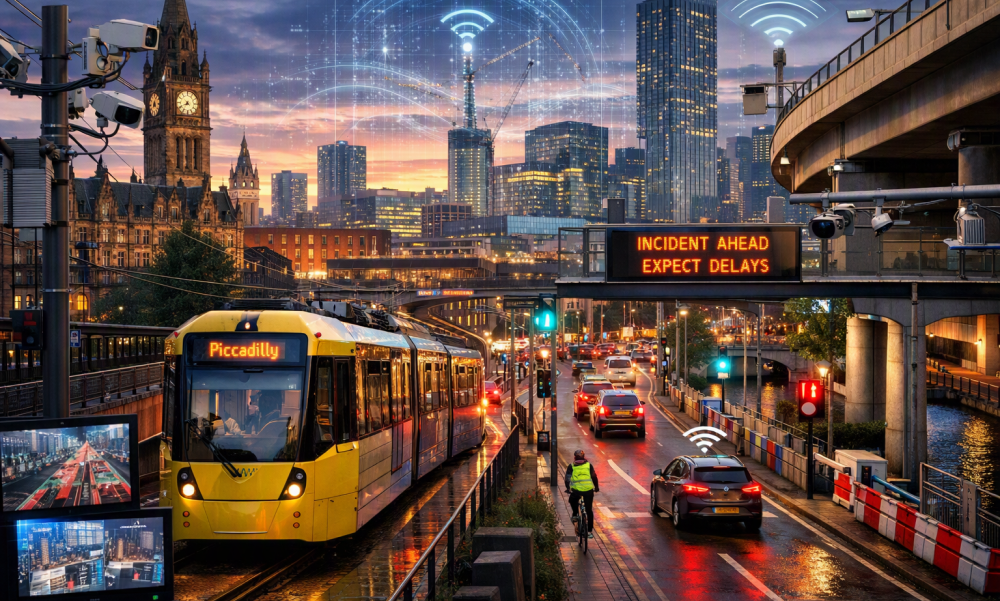
Manchester has a particular way of hosting transport conferences. The city carries its industrial heritage with confidence, yet it has spent the past decade quietly reinventing itself as a proving ground for digital infrastructure and modern mobility. This year’s ICE Resilient Transport Conference brought that dual identity into sharp focus. Engineers, operators, academics and technology leaders gathered to explore how Britain’s networks can withstand the pressures of climate change, ageing assets, rising demand and the relentless march of digital innovation. The conversations felt grounded, practical and urgent, shaped by a shared recognition that resilience is no longer a technical aspiration but a national necessity.
The conference opened with a clear message. Asset management is becoming the backbone of transport resilience. The days of reactive maintenance and cyclical renewal are fading, replaced by a more intelligent, data-driven approach that treats infrastructure as a living system rather than a collection of physical components. Manchester provided a fitting backdrop for this shift. Its transport networks have been tested repeatedly by weather events, capacity constraints and the demands of a growing population. Delegates spoke about the need to understand assets in real time, anticipate failure before it occurs and invest in digital tools that reveal the true condition of bridges, tunnels, pavements and drainage systems.
Several speakers highlighted the growing role of digital twins in asset management. These high-fidelity models are no longer experimental projects confined to research labs. They are becoming operational tools that help engineers simulate stress, predict deterioration and plan interventions with far greater accuracy. The most compelling examples came from local authorities that have begun integrating sensor data, inspection records and geospatial information into unified platforms. The result is a more transparent view of network health, which in turn supports better funding decisions and more targeted maintenance strategies. Manchester’s own work on digital modelling of its highway structures was referenced repeatedly as a sign of how cities can lead the way.
Attention soon turned to digital infrastructure innovation, which emerged as the conference’s most animated theme. Transport networks are becoming digital environments as much as physical ones. The shift is reshaping how resilience is defined and measured. Delegates explored how fibre connectivity, roadside communications, cloud platforms and intelligent control systems are now essential components of a functioning network. The conversation moved beyond technology for its own sake. The focus was on how digital infrastructure can support safer operations, more efficient maintenance and more reliable journeys.
One of the most striking discussions centred on the integration of AI into traffic management and incident response. Several operators presented case studies showing how machine learning models are helping predict congestion patterns, identify abnormal behaviour and support faster decision-making during disruptions. These systems are not replacing human judgement, they are enhancing it by providing richer situational awareness and more accurate forecasts. The tone of the debate was pragmatic. Delegates recognised the potential of AI but stressed the importance of governance, transparency and robust cybersecurity. Digital innovation cannot strengthen resilience if it introduces new vulnerabilities.
Cybersecurity became a recurring thread throughout the day. Transport networks are increasingly exposed to digital threats that can disrupt operations, compromise safety and undermine public trust. The conference treated cybersecurity as a core engineering challenge rather than a specialist IT concern. Several speakers argued that resilience planning must now include digital risk assessment, secure system architecture and continuous monitoring of network behaviour. Manchester’s experience with integrated transport systems provided a useful reference point. The city has invested heavily in secure communications and data governance, which has helped build confidence in its digital platforms.
Network safety formed the third pillar of the conference, and it was approached with a refreshing sense of realism. Safety is often discussed in abstract terms, yet the delegates brought it back to the lived experience of road users, pedestrians, cyclists and public transport passengers. The conversation acknowledged that safety is shaped by design, maintenance, operations and behaviour. It is also shaped by the quality of information available to those managing the network. Digital tools are helping identify risk earlier, respond more quickly and understand patterns that were previously hidden in fragmented datasets.
Several case studies focused on near-miss detection using video analytics. These systems are revealing how small changes in layout, signage or signal timing can reduce conflict points and improve safety outcomes. The technology is still evolving, but the early results are encouraging. Delegates also discussed how connected vehicle data is beginning to support safety analysis at a network level. This data provides insight into braking patterns, speed profiles and driver behaviour, which can help engineers understand where interventions are most needed.
The conference did not shy away from the challenges facing Britain’s transport networks. Funding pressures, skills shortages and legacy systems continue to constrain progress. Yet the mood was far from pessimistic. Manchester’s blend of heritage and innovation created an atmosphere of possibility. Delegates spoke about the need for long-term investment in digital infrastructure, better alignment between national and local priorities and stronger collaboration across the engineering and technology communities. The message was clear. Resilience requires more than technical solutions. It requires cultural change, shared responsibility and a willingness to rethink how networks are planned, operated and renewed.
As the conference drew to a close, the conversations returned to the central theme of integration. Asset management, digital innovation and safety cannot be treated as separate disciplines. They are interdependent elements of a modern transport system. The most resilient networks will be those that combine physical robustness with digital intelligence and operational agility. Manchester’s role as host felt symbolic. The city has always been a place where engineering ambition meets practical delivery. The conference captured that spirit and projected it onto the national stage.
The ICE Resilient Transport Conference offered a timely reminder that resilience is not a static goal. It is a continuous process shaped by new technologies, emerging risks and evolving expectations. Britain’s transport networks are entering a period of profound change. The discussions in Manchester showed that the engineering community is ready to meet that challenge with clarity, creativity and determination. The path ahead will require investment, innovation and collaboration, but the foundations are already being laid. Resilient transport is becoming a defining feature of the country’s future, and Manchester provided the perfect setting to explore what that future might look like.
Click the buttons below to see more articles:
See all ArticlesIndustry InsightEventsITS Thought LeadershipITS Educational