150x150.png)

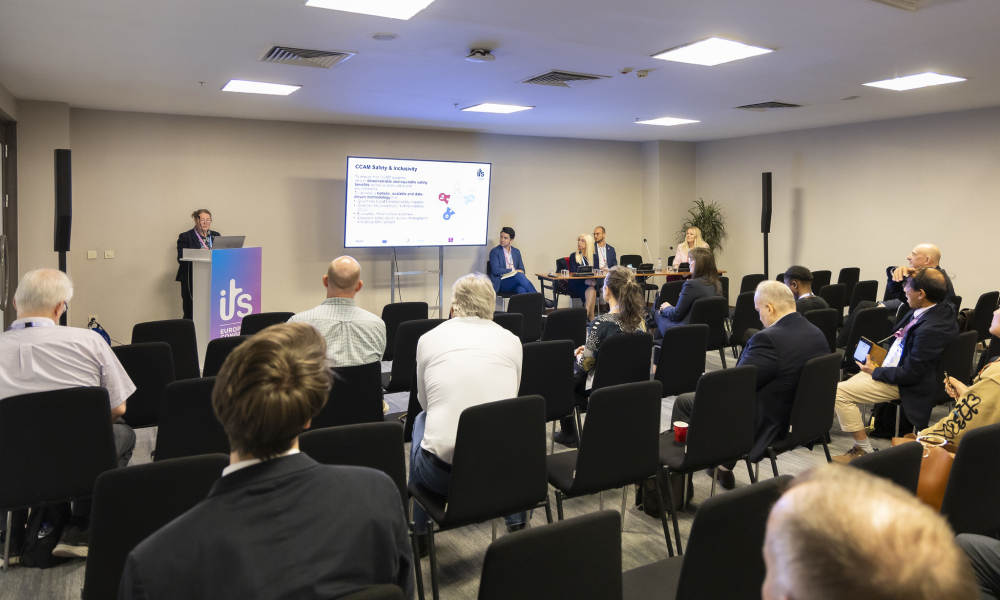
Istanbul felt less like a conference and more like a continental crossroads where policy, industry and city practice were being actively stitched together. The 17th ITS European Congress convened delegates from across Europe under the banner Bridging Innovation: Integrated, safe and seamless mobility, and the tone from the opening plenary was unmistakable: the sector’s conversation has moved from “what if” to “how fast and at what scale”. Over three days the Congress combined plenary debate, technical sessions, an exhibition floor and live demonstrations intended to show, not merely describe, how connected, data-driven systems can be embedded into everyday transport operations.
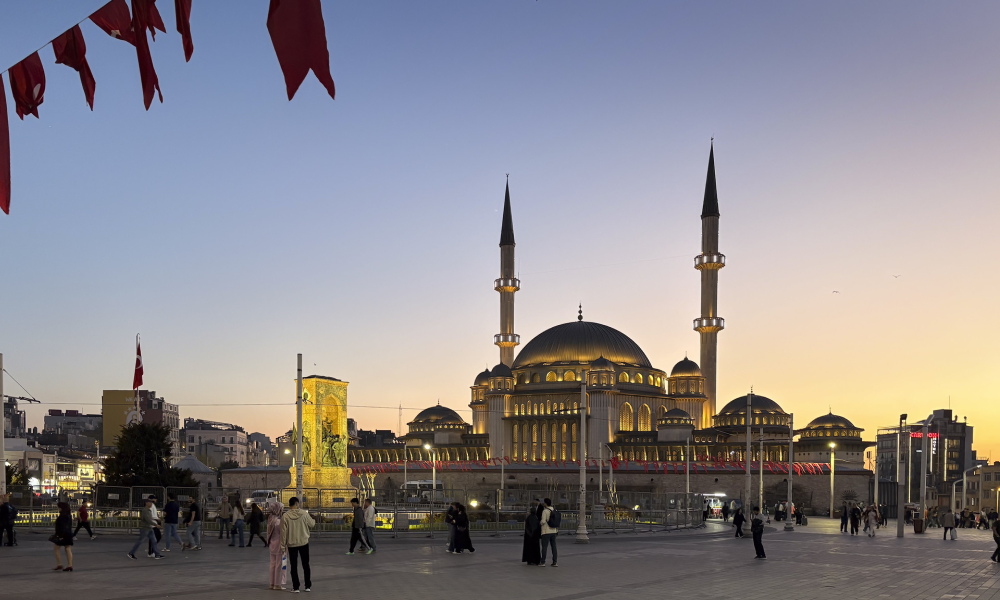
For an international readership the significance is twofold. First, Istanbul was presented as a living laboratory, a city with complex multimodal flows, legacy infrastructure and ambitious digital programmes where integration challenges are visible and solvable in real time. Second, the Congress staged a policy pivot. Delegates repeatedly returned to the same refrain: integration, not invention. The priority is not another proof-of-concept but interoperable stacks, procurement frameworks and governance models that let cities and regions buy, operate and scale ITS services across borders.
This feature takes that pivot as its organising idea. It maps the headlines and announcements emerging from Istanbul, then drills into the technical and policy pillars of safety and resilience, multimodal system management, smart logistics and beyond-road connectivity, before bringing voices from the floor into the frame. The aim is to show what Istanbul signals for Europe’s ITS trajectory and how those signals will ripple into global practice.
Connectivity aligned with mobility needs. A dominant theme in plenaries and panels was the alignment of telecoms roadmaps with mobility requirements. Delegates framed next-generation networks, private cellular deployments, edge compute strategies and early research into future generations of connectivity, as essential enablers rather than optional upgrades. The practical message was clear, that low latency and high capacity only translate into safer, greener mobility when standards, interfaces and procurement pathways are synchronised across sectors.
Procurement and governance as the new bottlenecks. Across sessions, procurement practitioners and city officials described a familiar pattern where pilots demonstrate value, but procurement rules, fragmented budgets and unclear responsibilities at the city-regional level slow scaling. The next wave of progress, many argued, will come from procurement innovation with frameworks that allow cities to buy outcomes rather than bespoke systems and from clearer governance around data sharing and liability.
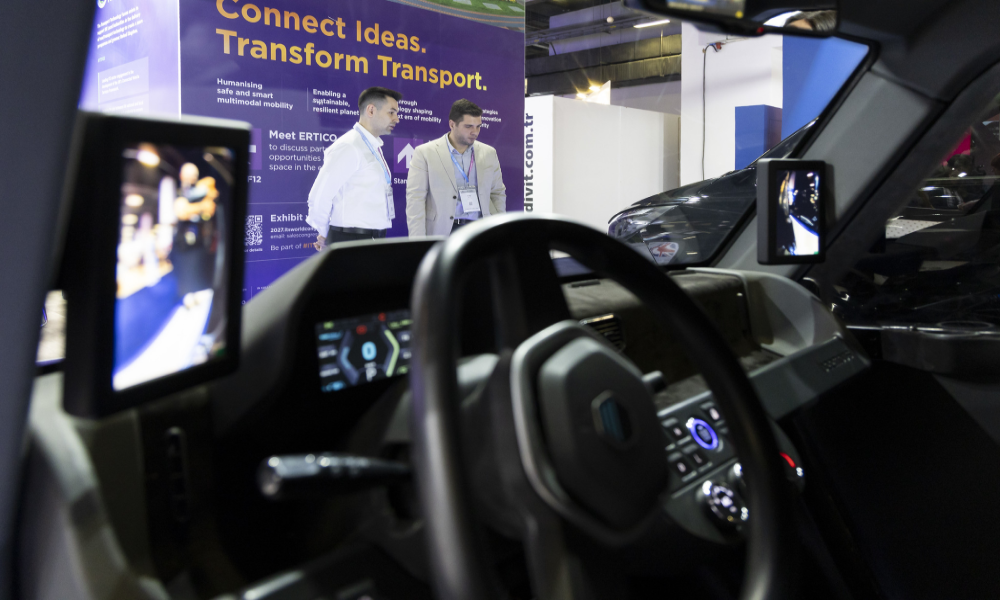
Operationalisation over novelty. Exhibitors and city delegations used the ITS Arena and live demonstrations to show interoperable stacks, such as traffic-management AI, kerbside orchestration, digital freight platforms, that claim to work together in live traffic. The narrative shifted from “what new tech can do” to “how existing tech can be integrated and paid for”. That shift reframes success metrics from prototype counts to measurable reductions in incidents, delays and emissions.
Cross-border freight and corridor thinking. Freight and logistics emerged as immediate priorities for European coordination. Delegations emphasised harmonised digital freight documents, interoperable tracking and green corridor initiatives as low-hanging fruit where EU-level action could deliver rapid benefits.
A throughline of human-centred deployment. Across panels the human dimension of public trust, operator workflows and equitable access were never far from the technical debate. Technology was repeatedly framed as a tool to deliver public value, not an end in itself.
Safety remains the moral and political core of ITS. In Istanbul the conversation moved beyond the headline technologies of AI, sensors and V2X, to ask how those tools are validated, certified and integrated into everyday operations.
Validation and independent metrics. Technical sessions focused on predictive analytics for collision risk, AI-driven signal optimisation and the integration of roadside sensors with traffic control centres. The recurring question was not whether these tools can work in controlled conditions, but whether they deliver repeatable, auditable safety gains in messy urban environments. Delegates pressed vendors for independent performance data to demonstrate reductions in incident frequency, improvements in emergency response times and validated false-positive rates for automated alerts.
Designing for graceful degradation. Resilience discussions broadened the safety agenda to include extreme weather, cyber incidents and supply-chain shocks. Cities are increasingly designing ITS architectures that can degrade gracefully, prioritising core safety functions when communications or power are compromised. This pragmatic framing is important because resilience is not a feature to be added later but a design constraint that shapes procurement and system architecture from day one.
Regulatory and certification gaps. A persistent barrier is the lack of harmonised certification pathways for AI and connected systems. Speakers called for EU-level guidance that clarifies testing regimes and liability frameworks so that cities can adopt new systems without assuming open-ended legal risk. The policy ask is straightforward, to create certification and validation frameworks that reduce legal uncertainty and speed procurement.
Operational examples. Several city delegations presented case studies where predictive signal timing and integrated sensor networks reduced incident severity and improved emergency vehicle response. These operational examples are crucial because they translate technical promise into municipal budgets and political support.
Practical implications for cities. For transport directors and operators, the takeaway of demand independent validation is clear, insisting on explainable models and require systems that can operate in degraded modes. Procurement documents should specify performance metrics and testing regimes, not just feature lists.
The future of urban mobility is multimodal and data-centric. Istanbul’s sessions showcased how traffic management centres, MaaS platforms and kerbside management systems can be stitched together to reduce friction across modes.
Data orchestration and interoperability. A central technical challenge is that of data interoperability. How to make vehicle, public transport, micromobility and kerbside data speak the same language. Demonstrations on the exhibition floor showed middleware and data-space approaches that promise to normalise disparate feeds into a single operational picture. The practical payoff is faster incident detection, better demand forecasting and more efficient allocation of kerb space.

MaaS progress and political friction. Mobility-as-a-Service remains an aspirational goal. Istanbul highlighted integrated ticketing pilots and dynamic routing that blends public transport with micromobility, but also the political and commercial friction that slows full integration. Data sharing agreements, revenue-sharing models and the role of public authorities in guaranteeing equitable access were recurring themes. The lesson coming out of this is that technical integration is necessary but not sufficient because governance and commercial models must be solved in parallel.
Kerbside as contested real estate. Kerbside management emerged as a battleground where logistics, passenger pick-ups and micromobility compete for limited space. Dynamic pricing, reservation systems and enforcement technologies were presented as tools to allocate kerb access more efficiently. Cities that combine clear policy objectives with real-time operational tools are already seeing measurable improvements in kerb turnover and reduced double-parking.
Operational wins. Several cities presented examples where integrated management reduced congestion during events or improved bus punctuality through signal priority. These wins are important because they show how policy choices and procurement approaches translate into measurable service improvements.
What operators need. Traffic control centres need middleware that reduces integration costs, dashboards that present a single operational picture and orchestration layers that enforce policy rules. Vendors must prioritise APIs, standards compliance and operator ergonomics.
Freight and logistics are where ITS can deliver rapid environmental and efficiency gains. Istanbul’s logistics track focused on green corridors, urban consolidation centres and digital freight platforms.
Green freight corridors and cross-border coordination. Delegations argued that harmonised standards for digital freight documents and interoperable tracking systems would reduce border delays and emissions from idling. The policy case is compelling, small improvements in documentation and tracking can yield outsized reductions in delay and emissions across Europe’s dense freight network.
Urban consolidation and last-mile orchestration. Cities showcased pilots that combine dynamic kerbside pricing with consolidation hubs to reduce last-mile trips. The technical challenge is real-time coordination by matching delivery windows, vehicle types and kerb availability through a single operational interface. Where pilots have succeeded, they combine public regulation (kerb access rules), private consolidation services and digital platforms that coordinate deliveries.
Electrification and charging orchestration. Logistics electrification is constrained by charging access and depot electrification. ITS can help by optimising charging schedules, routing EVs to available chargers and integrating charging demand into grid management. Exhibitors demonstrated platforms that coordinate these functions, but scaling remains dependent on investment and regulatory support.
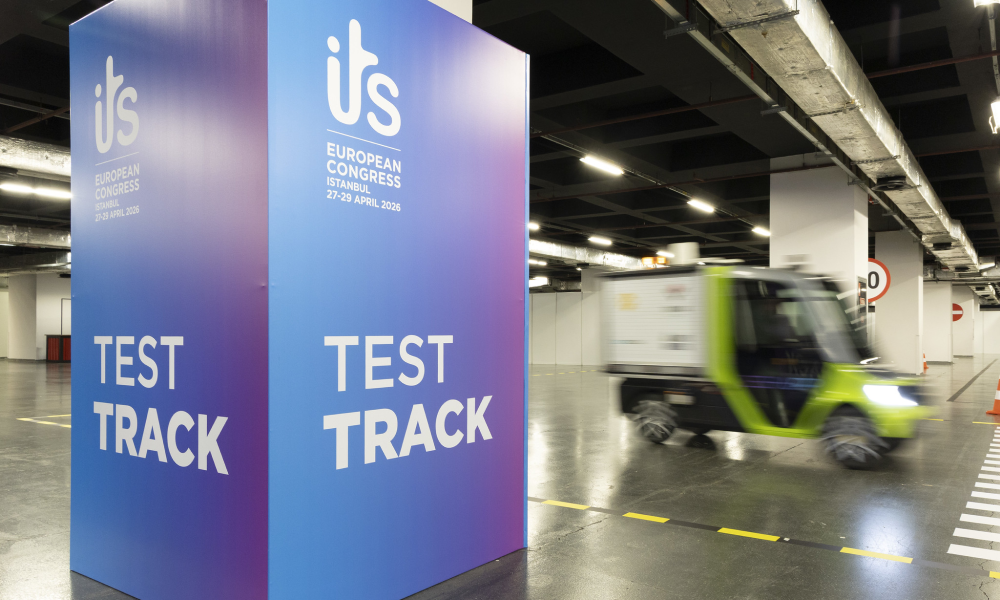
Freight as a policy lever. Because freight operations are commercial and concentrated, they are often easier to regulate and optimise than dispersed passenger behaviour. That makes freight a strategic lever for early emissions reductions and operational gains.
Practical steps for freight scaling. Harmonise digital documentation, invest in corridor-level tracking, incentivise consolidation hubs and fund depot electrification. These are pragmatic, high-impact interventions that can be implemented with targeted EU and national support.
The Congress pushed the boundaries of ITS beyond traditional road transport with maritime, rail and aerial mobility being present in sessions that explored cross-modal integration.
Ports and digital twins. Ports are complex nodes where ITS can reduce dwell times and emissions. Digital twins, berth optimisation and integrated customs data were showcased as ways to speed cargo flows and reduce congestion. The integration of port systems with hinterland traffic management is a clear area for European coordination.
Rail and tram integration. Integrating rail signalling data with urban traffic management can improve multimodal transfers and reduce conflicts at level crossings. Demonstrations showed how synchronised timetables and signal priority can improve reliability for passengers and freight.
Urban air mobility on the horizon. Urban air mobility remains nascent, but Istanbul framed it as part of a broader multimodal future. The key barriers are airspace management, safety certification and public acceptance, all areas where ITS principles of interoperability and governance will be essential.

Cross-modal orchestration. The technical challenge across modes is the same, by creating interoperable interfaces, defining clear governance for data sharing and building orchestration layers that can enforce policy across different transport domains.
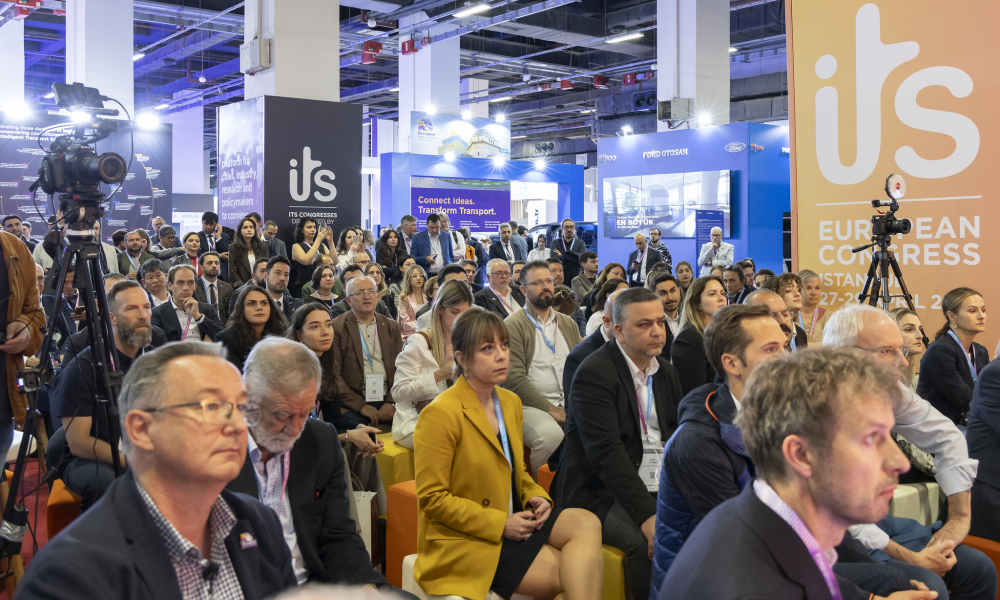
A feature of the Congress was the diversity of perspectives, where city transport directors, procurement officers, industry CTOs and researchers all shared the stage. Their voices reveal both optimism and the practical tensions that will shape Europe’s ITS trajectory.
City pragmatists. City officials emphasised the day-to-day constraints of budgets, procurement cycles and political accountability. Their priority is systems that deliver predictable outcomes and that can be integrated into existing operations without long, disruptive rollouts. Several city delegates described procurement pilots that deliberately focused on outcome-based contracts, such as paying for reduced incident rates or improved bus punctuality rather than for bespoke hardware.
Industry integrators. Vendors used the exhibition to demonstrate cross-vendor interoperability. Their message that the market is maturing from single-vendor stacks to modular, API-driven ecosystems. But vendors also acknowledged the need for clearer standards and certification to reduce integration costs for cities.
Researchers and standards bodies. Academic and standards representatives urged caution on AI governance and data ethics. Their argument that scaling ITS without robust governance risks public backlash and legal exposure. They called for transparent validation frameworks and for public engagement strategies that build trust.
Procurement officers. Procurement specialists described the practical steps needed to move from pilots to scale, where standardised contract templates, outcome-based procurement clauses and shared procurement frameworks could allow smaller cities to pool buying power. These are the nuts and bolts that will determine whether Istanbul’s rhetoric becomes continental practice.
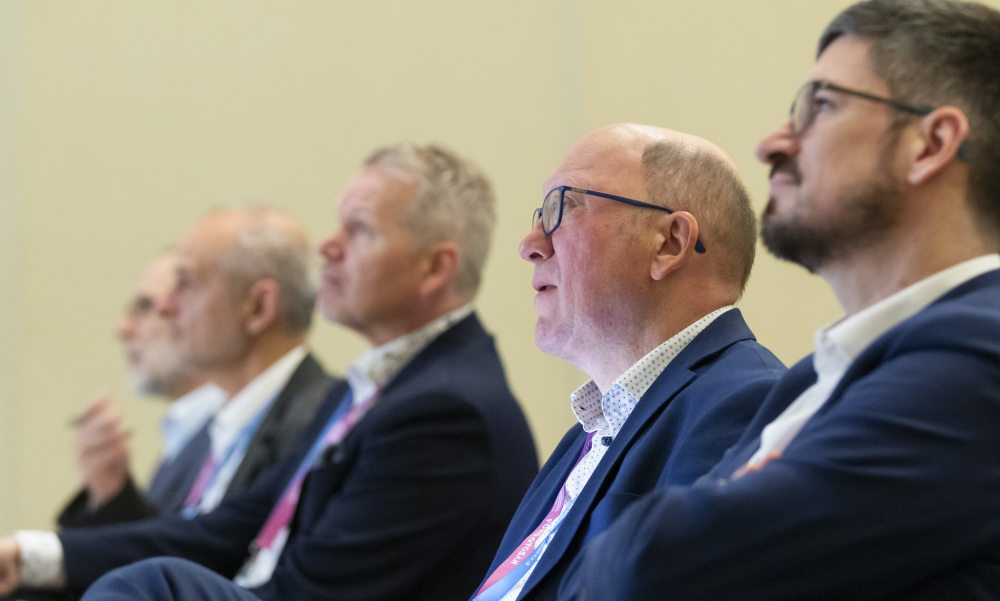
A balanced mood. The overall mood on the floor combined optimism about technical maturity with realism about the institutional work required to scale. Conversations in corridors often turned to contract clauses, data formats and integration patterns, all practicalities that will determine whether pilots become city-wide services.
Istanbul: operational complexity and learning
Istanbul itself was presented as a living laboratory, being a dense, multimodal metropolis with legacy infrastructure and ambitious digital programmes. The city’s operational challenges of complex junctions, mixed traffic, high freight volumes and seasonal tourism peaks which make it a useful testbed for integrated ITS approaches. Delegations described how integrated traffic control, dynamic kerbside management and targeted enforcement can combine to reduce congestion and improve safety during peak events.
Medium-sized European city: scaling with limited budgets
Several medium-sized European cities presented pragmatic approaches to scaling ITS with constrained budgets. Their strategies emphasised modular procurement, reuse of existing infrastructure and outcome-based contracts that transfer some performance risk to suppliers. These cities argued that the right combination of procurement templates and shared technical building blocks can let smaller authorities achieve the same operational gains as larger cities without the same capital outlay.
Cross-border corridor: freight corridor example
A cross-border freight corridor case study highlighted the practical gains from harmonised digital freight documents and interoperable tracking. By reducing paperwork friction and enabling real-time visibility, the corridor reduced dwell times at borders and cut emissions from idling. The lesson is clear that targeted, corridor-level interventions can deliver measurable benefits quickly when member states coordinate standards and enforcement.
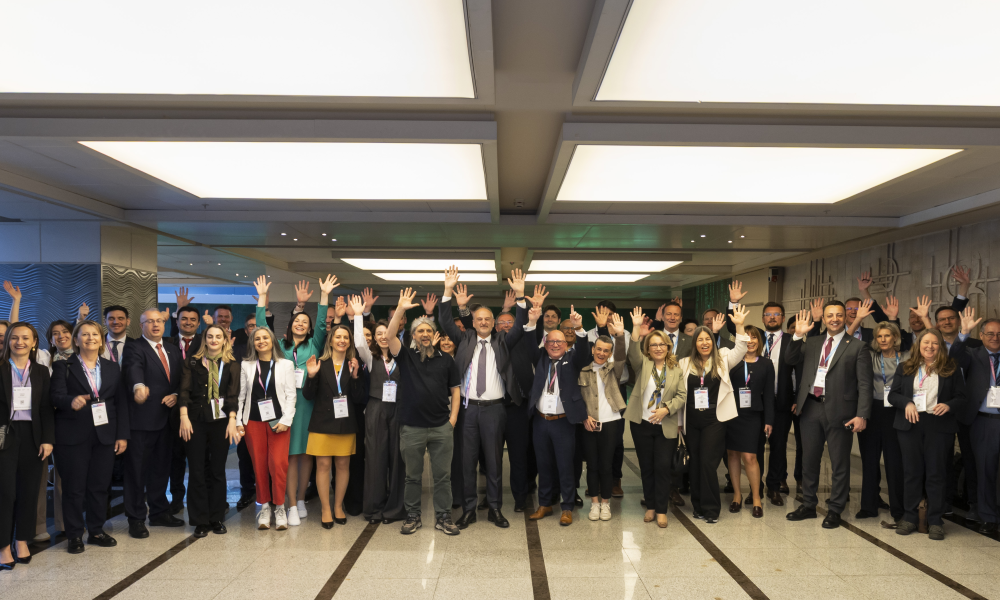
Across the exhibition and technical sessions a pragmatic technology stack emerged, less about single breakthrough technologies and more about how components are assembled and governed.
Sensing and edge computing. Cities are deploying a mix of roadside sensors, cameras and connected vehicle feeds. Edge computing is used to pre-process data locally, reducing latency and bandwidth needs while preserving privacy by minimising raw data transfer.
Middleware and data spaces. Middleware layers and data-space architectures normalise disparate feeds into operational pictures. These layers are critical because they translate vendor-specific formats into interoperable APIs that traffic control centres and MaaS platforms can consume.
AI and analytics. AI models are used for predictive risk scoring, demand forecasting and dynamic signal optimisation. The emphasis in Istanbul was on explainability and validation because cities need models that can be audited and that provide interpretable outputs for operators.
Connectivity and private networks. Private cellular networks and hybrid connectivity strategies (combining public 4G/5G, private LTE/5G and short-range V2X) are being trialled to meet the latency and reliability needs of safety-critical services.
Integration and orchestration. Orchestration layers manage workflows across systems, triggering signal changes, reallocating kerb space or rerouting freight in response to live conditions. The orchestration layer is where policy meets operations, it enforces rules about who can change what and under which conditions.
Security and privacy. Cybersecurity and data governance were recurring technical priorities. Cities and vendors are adopting layered security models, data minimisation strategies and role-based access controls to protect systems and build public trust.
Istanbul made clear that technology alone will not deliver scale. Policy and funding choices will determine whether pilots become city-wide services.
Harmonised certification and standards. A top priority is harmonised certification pathways for AI and connected systems. Clear testing regimes and liability frameworks reduce legal uncertainty and make procurement easier.
Outcome-based procurement frameworks. Procurement that pays for outcomes, reduced incidents, improved punctuality, lower emissions, aligns incentives across cities and vendors. Shared templates and pooled procurement can help smaller authorities access better terms.
Targeted funding for integration. Funding that explicitly supports integration (middleware, data spaces and orchestration), can unlock the value of existing pilots. Without funding for integration, individual projects remain isolated.
Cross-border coordination for freight. EU action on digital freight documents, interoperable tracking and corridor funding can deliver rapid gains in emissions and efficiency.
Public engagement and trust building. Policymakers must invest in transparent validation and public engagement to build trust in AI and data-driven systems. Demonstrable, independently validated benefits are the strongest antidote to public scepticism.
Europe’s emphasis on procurement and governance offers a model for other regions. Where technology has often been the headline, Istanbul suggests the next wave of global progress will be driven by systems thinking, by aligning standards, funding and legal frameworks so that technology can be deployed at scale and with public trust.
From pilots to platforms. The shift is from isolated pilots to platform thinking, with middleware, orchestration and data spaces that let multiple services share the same operational backbone.
From novelty to outcomes. Success will be measured by outcomes, including fewer collisions, faster freight flows, lower emissions and better public transport reliability.
From siloed budgets to pooled funding. Scaling requires pooled funding models that recognise the cross-sector benefits of ITS investments.
From vendor lock-in to modular ecosystems. The market will reward modular, standards-based products that integrate easily into city operations.
From technology first to governance first. Istanbul made clear that governance, procurement and public engagement are the levers that turn technical promise into public value.
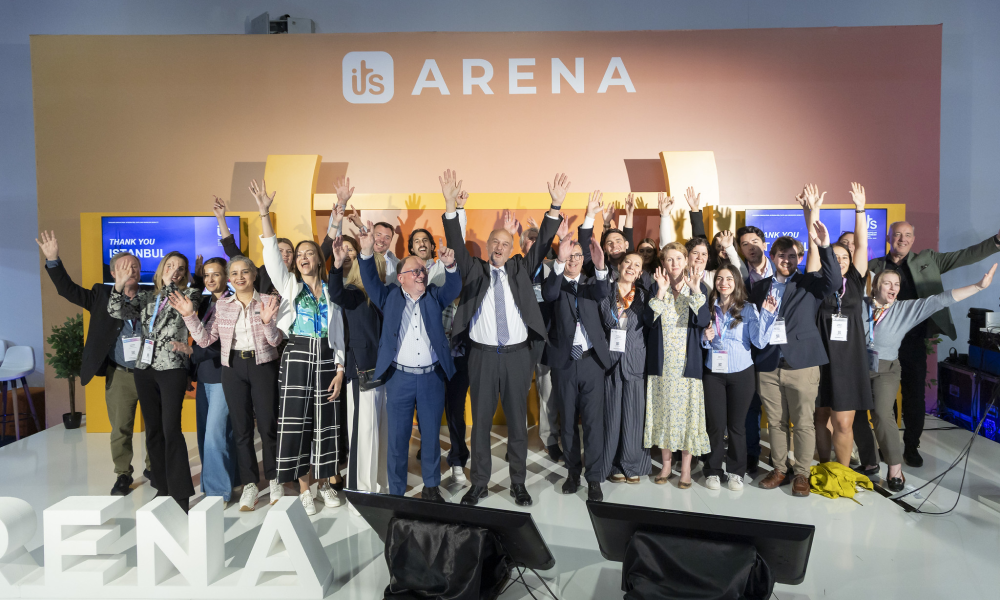
The ITS European Congress in Istanbul felt less like a showcase of new gadgets and more like a strategy session for scaling what already works. The dominant message was pragmatic: if Europe wants ITS to deliver safety, resilience and decarbonisation at scale, it must focus on systems engineering, procurement reform and governance. Technology will follow where the policy and funding frameworks make integration feasible and attractive.
Istanbul’s value was not only in the announcements made on stage but in the conversations in corridors and on the exhibition floor, with practical exchanges about contract clauses, data formats and integration patterns that will determine whether pilots become city-wide services. For Europe, the next 12–24 months will be decisive, the choices made about procurement templates, certification pathways and corridor funding will either unlock rapid deployment or leave the continent with another generation of promising pilots.
For ITS practitioners, policymakers and vendors the practical task is clear: build interoperable platforms, demand independent validation, and design procurement and governance so that cities can buy outcomes, not just hardware. If Istanbul marks the moment when that work began in earnest, the continent, and the world, stands to benefit.
Click the buttons below to see more articles:
See all ArticlesIndustry InsightEventsITS Thought LeadershipITS Educational