150x150.png)
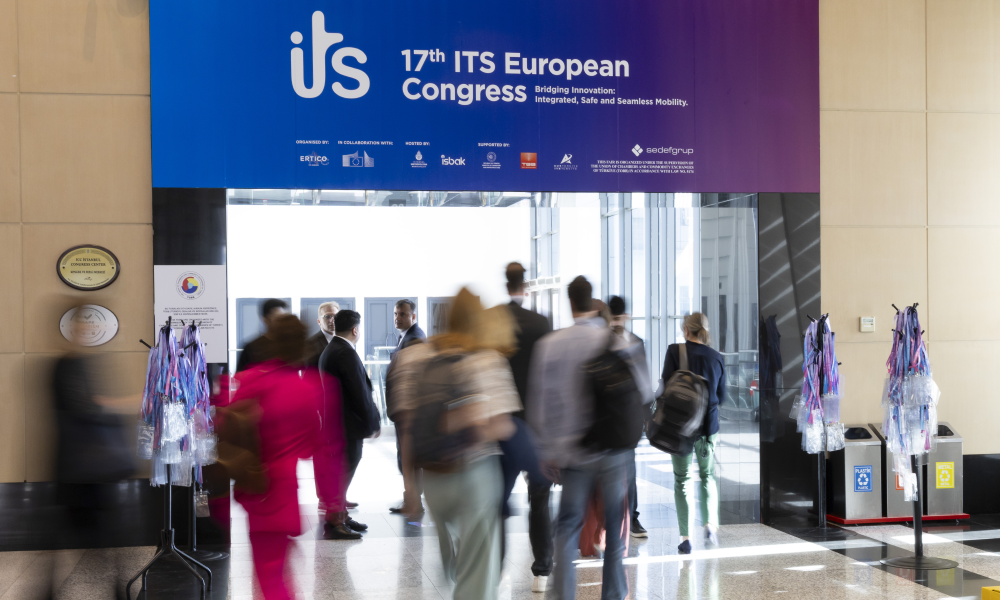
The final morning of the ITS European Congress in Istanbul has dawned with a sense of culmination, anticipation and, for many delegates, a quiet determination to make the most of the hours that remain. There is always something distinctive about the last day of a major ITS gathering. The conversations become sharper, the questions more direct and the atmosphere takes on a reflective quality as the sector collectively considers not only what has been learned, but what must now be carried forward. Today is no different. As the doors of the Istanbul Congress Centre open for the third and final time this week, the focus is shifting decisively towards outcomes, commitments and the future direction of intelligent mobility in Europe and beyond.
The programme for the day is shaped by this sense of forward momentum. While the earlier days of the Congress have explored the breadth of the sector, from automation and data governance to multimodal integration and urban resilience, the final day is designed to draw these threads together. It is a day that invites delegates to look beyond the immediate horizon and consider the long-term implications of the technologies, policies and partnerships that have dominated the week. The sessions planned for today encourage a kind of strategic clarity, asking not only what is possible, but what is necessary.
One of the defining features of the final day is the emphasis on long-term deployment strategies. Several sessions bring together city leaders, industry innovators and policymakers to discuss how the ideas and prototypes showcased throughout the week can be translated into real-world systems that deliver measurable benefits. The tone is pragmatic and grounded, reflecting a growing recognition that the ITS sector has moved beyond the era of experimentation. Delegates are being encouraged to confront the practicalities of scaling solutions, aligning regulatory frameworks, securing investment and ensuring that innovation remains inclusive and equitable. The conversations are candid, shaped by the shared understanding that the future of mobility depends not only on technological capability but on governance, collaboration and public trust.
Automation continues to feature prominently, but with a different emphasis from earlier in the week. Whereas previous sessions explored the technical and regulatory challenges of automated mobility, today’s discussions focus on the transition from pilot projects to operational reality. Cities that have been at the forefront of automated vehicle trials are sharing their experiences of moving towards mixed-traffic operations, highlighting the lessons learned in safety validation, public engagement and infrastructure adaptation. The mood is cautiously optimistic, reflecting the sector’s growing confidence that automated mobility is no longer a distant ambition but an emerging component of modern transport networks. This final day offers an opportunity to reflect on how far the field has come and how much work remains to ensure that automation delivers genuine public value.
Data governance, too, is taking on a more strategic tone. The earlier days of the Congress have already underscored the importance of consistent standards, secure data flows and interoperable systems. Today’s sessions build on this foundation by exploring the long-term frameworks needed to support a truly connected mobility ecosystem. Delegates are examining the balance between openness and commercial sensitivity, the role of public authorities in shaping data policy and the need for cross-border alignment in an increasingly integrated European transport landscape. The discussions are both technical and philosophical, touching on issues of privacy, trust and the societal implications of data-driven mobility. For many attendees, these conversations are among the most consequential of the week, shaping the principles that will guide the sector for years to come.
Urban mobility also remains a central theme, with the final day offering a platform for cities to share their visions for sustainable, inclusive and resilient transport systems. The sessions highlight the importance of integrating multiple modes, supporting active travel and designing networks that serve the needs of all users. Climate resilience, in particular, is featuring prominently, reflecting the growing urgency of adapting transport infrastructure to the realities of extreme weather and environmental change. Delegates are hearing from cities that are pioneering new approaches to network management, public transport reform and micromobility integration, offering practical insights into the challenges and opportunities of building future-ready urban mobility systems.
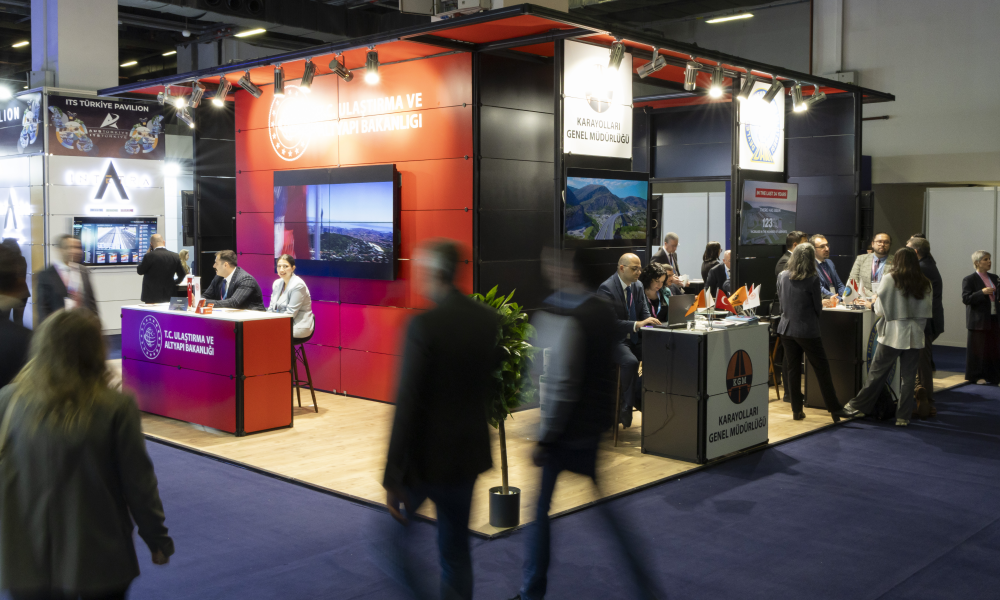
On the exhibition floor, the final day brings a different kind of energy. Exhibitors are making their last demonstrations, holding their final meetings and, in many cases, beginning to translate the week’s conversations into concrete plans for collaboration. The UK Pavilion, which has been a focal point throughout the Congress, continues to attract attention as delegates take their final opportunity to engage with British companies and explore the technologies that have shaped the UK’s strong presence in Istanbul. MAV Systems and AGD Systems, both of whom have enjoyed sustained interest over the past two days, are remaining busy as international visitors seek to deepen discussions that began earlier in the week. For many British exhibitors, the final day is a chance to consolidate relationships, outline next steps and position themselves for the opportunities that lie ahead, not least the ITS World Congress in Birmingham next year.
The anticipation for Birmingham 2027 is particularly visible today. As the European Congress draws to a close, attention is already beginning to shift towards the next major milestone on the European ITS calendar. The UK’s preparations for hosting the World Congress have been a recurring theme throughout the week, and this final day provides a fitting moment to reflect on what Birmingham represents for the sector. For British delegates, the day carries a sense of momentum, as the conversations and connections formed in Istanbul begin to shape the narrative for next year’s global gathering. For international attendees, Birmingham is an opportunity to witness the UK’s leadership in intelligent mobility at city scale, building on the strengths showcased at the UK Pavilion throughout the week.
As the afternoon progresses, the Congress will begin to take on its familiar final-day rhythm. Delegates move between sessions with a mixture of focus and nostalgia, aware that the conversations they are having may be the last of their kind until the next major gathering. The closing discussions are reflective, drawing together the themes that have defined the week and highlighting the shared commitment to building mobility systems that are safer, cleaner, more efficient and more human-centred. There are acknowledgements of progress, recognition of challenges and, above all, a sense of collective purpose.
By the time the final announcements are made and the last conversations drift into the corridors, the Istanbul Congress Centre will feel transformed. The ideas exchanged, the partnerships formed and the commitments made will linger in the air, ready to be carried back to cities, companies and institutions across Europe and beyond. The final day will not simply mark the end of the Congress; it will mark the beginning of the next chapter in the sector’s journey.
For ITS Now, today is another opportunity to capture the energy, insight and ambition that define this Congress. As the sector looks ahead, the story of Istanbul’s final day will serve as a bridge between the achievements of this week and the possibilities of the year to come.
Whether you’re in Istanbul or at home, be HERE, at ITS Now.
Click the buttons below to see more articles:
See all ArticlesIndustry InsightEventsITS Thought LeadershipITS Educational