150x150.png)
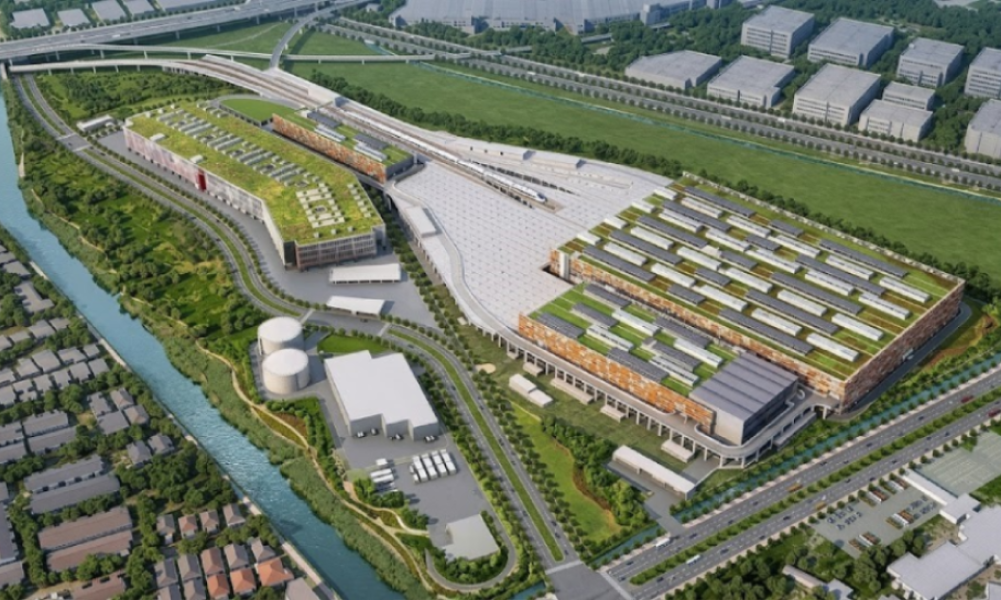
Technical visits have always held a particular fascination for those who work in transport. They offer a chance to step beyond the conference hall and into the real environments where ideas become systems, where policy becomes practice, and where innovation is tested against the daily pressures of a city that never stops moving. During Singapore Urban Mobility Week 2026, delegates will have the opportunity to experience this first-hand through a curated programme of visits to selected transport facilities across the city. Scheduled for the afternoon of Tuesday 3 November, these sessions promise a deeper understanding of how Singapore designs, operates and continually strengthens one of the world’s most admired mobility ecosystems.
Singapore’s transport network is often described as a benchmark for integration, reliability and long-term planning. It is a system shaped by decades of disciplined investment and a willingness to adopt new technologies early, yet always with a clear operational purpose. The technical visits are designed to reveal the machinery behind that reputation. They take delegates into the places where infrastructure planning is translated into physical assets, where digital systems are woven into operations, and where the city’s transport future is quietly being engineered.
Each visit offers a different perspective on the complexity of modern mobility. Some will focus on rail operations, where signalling upgrades, asset renewal strategies and predictive maintenance programmes demonstrate how a high-capacity metro system remains resilient under intense demand. Others will explore bus depots and operations centres, showing how fleet management, scheduling algorithms and real-time passenger information systems combine to deliver reliability across a network that serves millions every day. There will also be opportunities to see how multimodal integration is achieved through coordinated control rooms, shared data platforms and infrastructure designed to support seamless transfers.
Singapore’s approach to Intelligent Transport Systems is rooted in pragmatism. Technology is deployed not for its novelty, but for its ability to solve real operational challenges. Delegates will see how this philosophy plays out in practice. Control centres illustrate how data is used to anticipate congestion, optimise traffic flows and support incident response. Field deployments reveal how sensors, communications networks and automated monitoring tools are embedded into the fabric of the city. Maintenance facilities show how digital twins, condition-based monitoring and robotics are reshaping asset management. These environments provide a rare opportunity to observe the interplay between engineering, operations and digital innovation.
The visits also highlight the human dimension of transport. Behind every system lies a workforce trained to manage complexity with precision. Delegates will meet the planners, engineers and operators who keep Singapore moving. Their insights offer a grounded understanding of how technology is adopted, how processes evolve, and how operational culture supports continuous improvement. These conversations often prove as valuable as the technical demonstrations, because they reveal the lived experience of running a world-class transport network.
One of the strengths of Singapore’s transport strategy is its commitment to long-term resilience. The technical visits will showcase how this is achieved through rigorous asset lifecycle planning, structured renewal programmes and a clear understanding of future demand. Delegates will see how infrastructure is designed to accommodate emerging technologies, how systems are upgraded without disrupting service, and how operational readiness is maintained through simulation, testing and cross-agency coordination. These insights are particularly relevant for cities facing ageing assets, rising expectations and the need to integrate new mobility services into established networks.
The programme also reflects the broader themes of SUMW 2026. Autonomous innovation, smart infrastructure and urban mobility are not abstract concepts in Singapore. They are active areas of development, supported by real-world trials and carefully managed deployments. Delegates may encounter autonomous shuttles operating within controlled environments, sensor-rich corridors designed for advanced traffic management, or integrated platforms that support multimodal journey planning. These examples demonstrate how emerging technologies are evaluated, refined and scaled within a live urban context.
Technical visits often reshape how delegates think about mobility. They provide clarity on what works, what remains challenging, and what lessons can be transferred to other cities. Singapore’s transport facilities are particularly effective in this regard because they reveal a system that is both ambitious and disciplined. The city embraces innovation, yet it does so with a strong operational backbone. It invests in digital capability, yet it never loses sight of the physical infrastructure that underpins movement. It adopts new modes, yet it ensures they complement the wider network. These principles are visible throughout the visits, offering a coherent narrative about how modern transport systems evolve.
For ITS professionals, the value of seeing systems in action cannot be overstated. Conferences provide the theory, but technical visits provide the reality. They show how data is collected, processed and applied. They reveal how control rooms function under pressure. They demonstrate how maintenance teams use digital tools to improve reliability. They highlight the importance of integration, because no single technology can deliver a seamless mobility experience on its own. Delegates leave with a richer understanding of how ITS contributes to safety, efficiency and sustainability across the network.
The visits also offer a glimpse into Singapore’s future. The city continues to explore new approaches to mobility, from advanced automation to next-generation infrastructure. Delegates may see early-stage developments that hint at what the next decade will bring. These insights are particularly valuable for those shaping policy, planning investments or developing new technologies. They provide a sense of direction, grounded in real-world experimentation rather than speculation.
Practical considerations are straightforward. The visits take place on Tuesday afternoon, with a smart casual dress code and covered shoes required for safety. Delegates must register in advance, as places are limited and each site can accommodate only a controlled number of visitors. The organisers have designed the programme to ensure smooth logistics, clear guidance and a structured experience that balances technical depth with accessibility.
Technical visits are more than an optional extra. They are a core part of the SUMW experience, offering a rare opportunity to explore the systems that make Singapore a global reference point for urban mobility. They deepen understanding, spark ideas and encourage reflection on how transport networks can evolve with purpose and precision. For delegates seeking practical insight into the future of mobility, these visits will be one of the most valuable elements of the week.
Further details, including registration information and site descriptions, are available at the official SUMW technical visits page: https://sgurbanmobility.com/technical-visits/.
Click the buttons below to see more articles:
See all ArticlesIndustry InsightEventsITS Thought LeadershipITS Educational